Staging Dundee’s Historic Homes For Today’s Buyers
Wondering how to make a historic Dundee home feel current without stripping away the charm buyers came to see? That balance matters in the Dundee-Happy Hollow Historic District, where architecture, streetscape, and first impressions all shape how a home is received. If you are preparing to sell, the right staging plan can help buyers connect with the house while keeping its character front and center. Let’s dive in.
The Dundee-Happy Hollow Historic District is more than a collection of older homes. It is a National Register historic district with more than 2,000 historic properties, located about two miles west of downtown Omaha and recognized for both architecture and community planning.
That context changes how you should think about staging. In Dundee, buyers are not only evaluating your kitchen or living room. They are also taking in the tree-lined streets, curving boulevards, porches, setbacks, and the overall historic feel that gives the area its identity.
The district includes a wide range of styles, including Colonial Revival, Georgian Revival, Tudor Revival, Craftsman and Bungalow, Prairie, Spanish Colonial Revival, Italian Renaissance Revival, and Art Moderne. Many homes feature details like symmetry, gables, dormers, shutters, porches, exposed rafter tails, brick, stucco, and wood trim. Your staging should highlight those details, not compete with them.
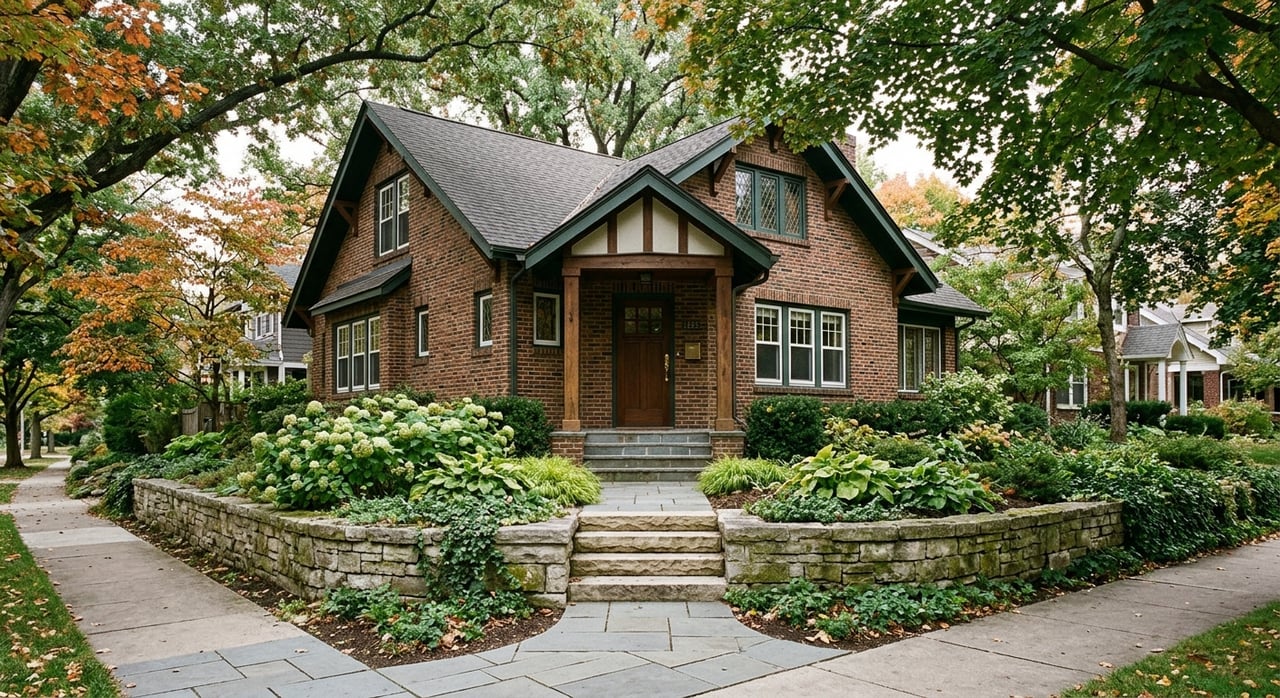
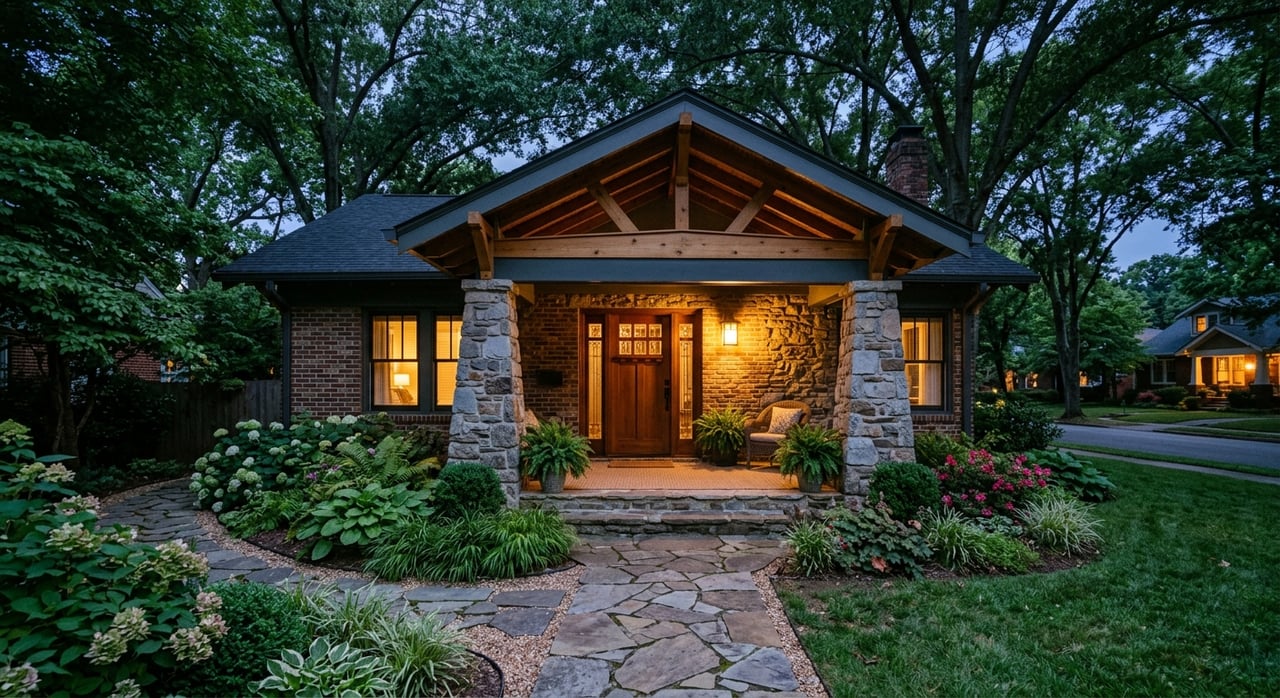
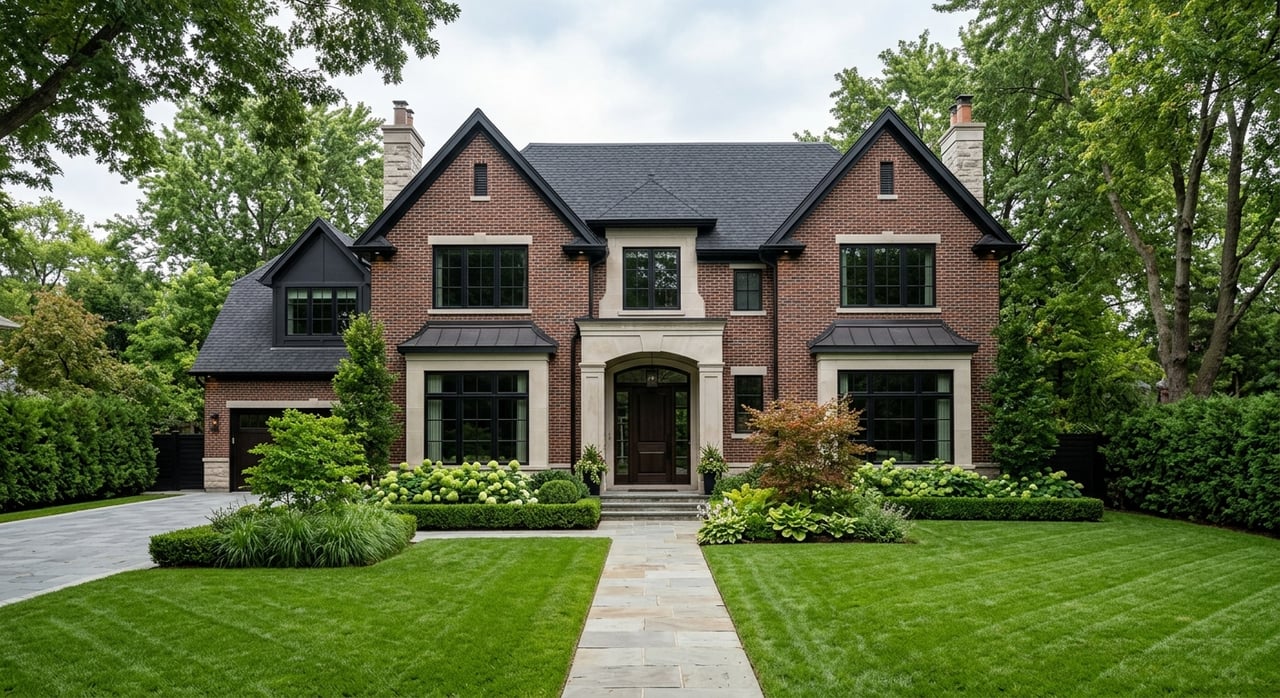
In many homes, staging begins inside. In Dundee, the front exterior and entry deserve top billing because the setting is part of the home’s story. A tidy front approach helps buyers appreciate the architecture before they ever step through the door.
Focus on simple, restrained presentation outside. That often means uncluttered porch furniture, trimmed landscaping, a clean walkway, and clear sightlines to the front façade. If your porch is one of the home’s best features, let it breathe.
Your goal is not to make the house feel overly polished or generic. Your goal is to make the historic exterior look cared for, welcoming, and easy to understand at a glance.
Staging still has clear market value. Recent National Association of Realtors research found that 29% of agents reported staging increased the dollar value offered by 1% to 10%, 49% said staging reduced time on market, and 83% of buyers’ agents said staging helps buyers visualize a property as a future home.
That same research points to the rooms that matter most. The living room, primary bedroom, dining room, and kitchen are among the most commonly staged spaces, and buyers’ agents most often identified the living room as the most important room to stage.
For a historic Dundee home, the most practical order is usually:
This sequence fits both buyer behavior and the way older homes tend to show. In many Dundee properties, the living and dining rooms carry the clearest period details, so these spaces often do a lot of the emotional heavy lifting during a showing.
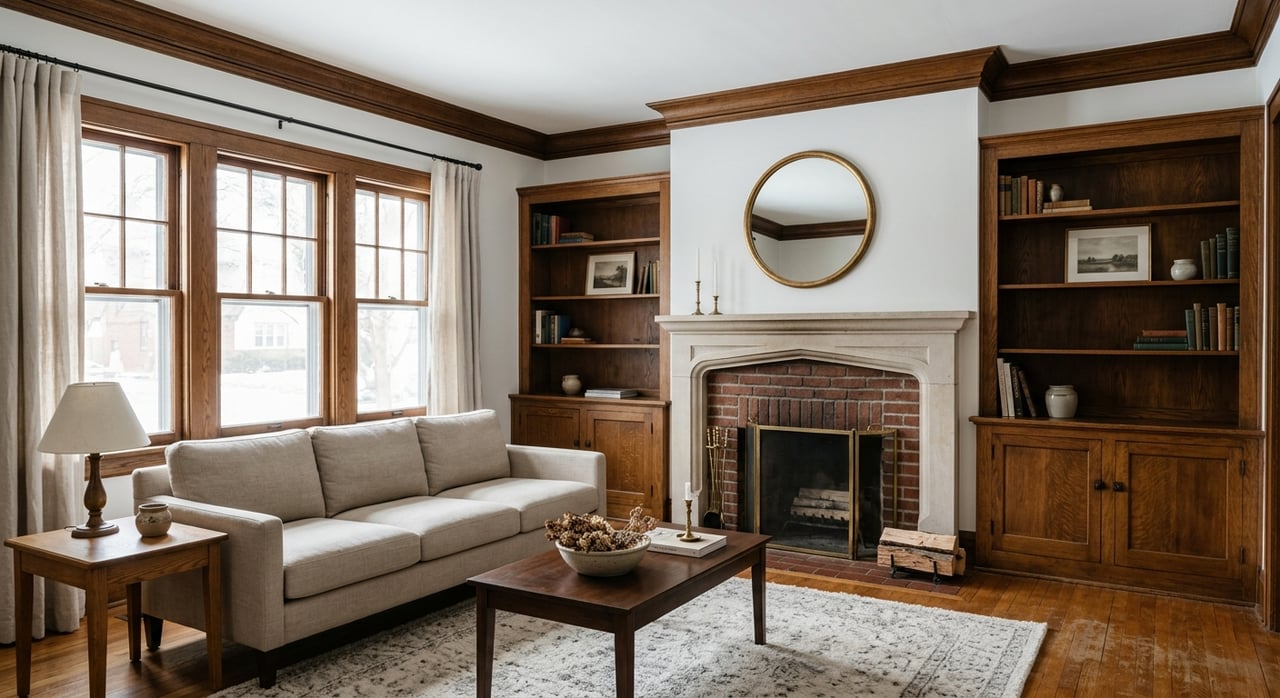
Historic homes often win buyers over with features newer homes cannot easily replicate. Think original woodwork, trim, staircases, fireplaces, built-ins, windows, and plaster details. These are not obstacles to modern staging. They are the reason the staging works.
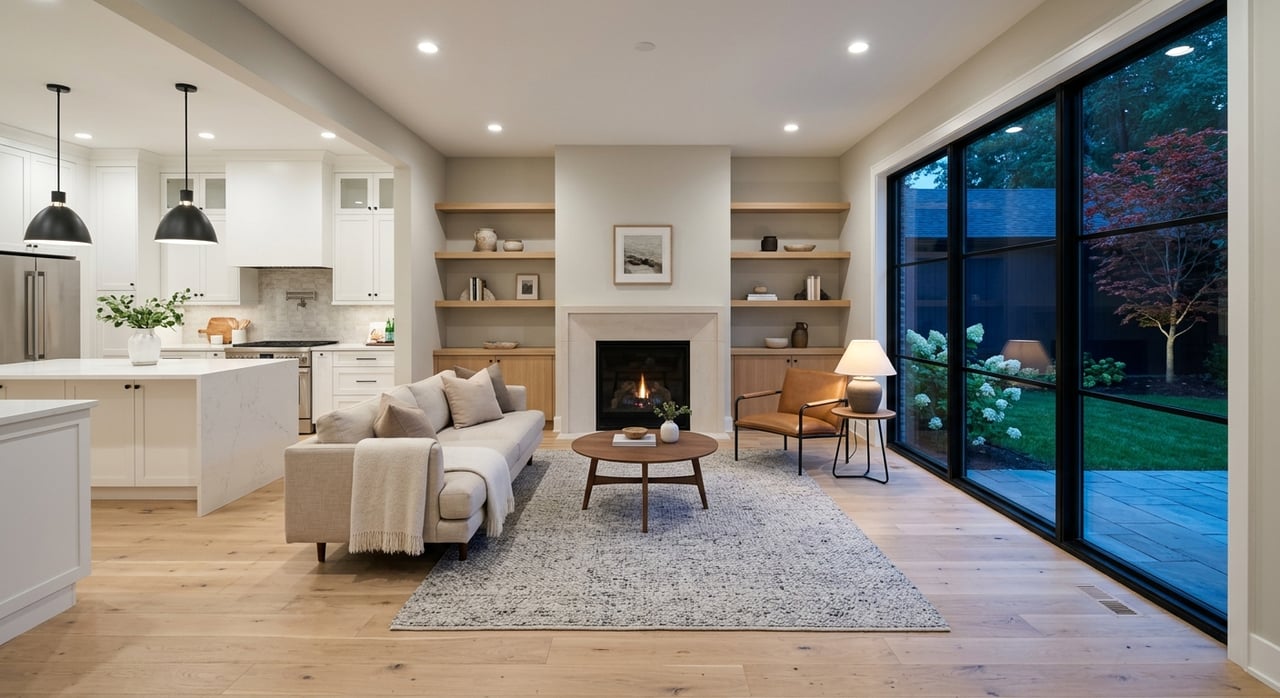
Use furniture and accessories that support the architecture instead of overpowering it. Clean-lined pieces, balanced layouts, and lighter layers can help buyers notice the room itself. When in doubt, remove more than you add.
This is especially important in formal living and dining spaces. If your home has symmetry, strong millwork, or a standout fireplace wall, arrange the room so the eye goes there first.
Color has a big effect on how buyers read a historic interior. According to recent NAR staging coverage, overly bold colors can distract buyers, with lime green, bold pink, red, purple, bold orange, and mustard yellow ranking among the most off-putting choices in a 2025 survey.
In a Dundee home, a restrained palette usually does the most work. Neutral walls and understated décor allow wood trim, brick, stair rails, and period craftsmanship to stay visually dominant.
That does not mean every room needs to feel flat. Texture, natural light, and thoughtful contrast can still create warmth. The key is to keep the backdrop quiet so the architecture can speak.
If you are deciding where to spend money before listing, visible repairs that preserve character should usually come first. National Park Service rehabilitation guidance says a property’s historic character should be retained and preserved, and that removing historic materials or altering defining spaces and features should be avoided.
In practical terms, that means you should be careful about “updating” the very elements that give the home its value. Replacing original trim, simplifying detailed woodwork, or removing period features to chase a generic look can work against you.
The better path is often selective improvement. Address deferred maintenance, freshen worn finishes, and improve presentation without erasing the home’s architectural identity.
Windows, trim, and other exterior-facing elements deserve extra care. National Park Service guidance says deteriorated historic features should be repaired rather than replaced when possible. Nebraska State Historic Preservation Office guidance says that when replacement windows are approved, they should match the originals in design, color, texture, and other visual qualities.
For sellers, this usually points to a clear strategy. Prioritize repair and maintenance first, and use replacement only when an original feature is beyond repair.
This approach can support both value and presentation. Buyers looking at a Dundee home often notice authenticity, even if they cannot name every architectural detail.
It is easy to assume every older home should be taken back to one exact moment in time. That is not always the best move. National Park Service guidance notes that some later changes may have gained significance of their own and should be retained if they contribute to the building’s character.
That matters in Dundee, where many homes have evolved over decades. Not every later update needs to be undone before you list.
Instead of chasing a perfect period recreation, aim for a presentation that feels cohesive, well-maintained, and compatible with the home’s historic character. Buyers usually respond best when a home feels authentic and livable.
Many sellers assume historic district status automatically limits cosmetic changes. In fact, National Register listing by itself does not place federal restrictions or requirements on a private property owner.
That is an important distinction if you are preparing a Dundee home for sale. You can generally stage, repaint, and make compatible updates without treating the home like a museum piece.
What can matter is local designation. Omaha’s municipal code provides for landmark heritage districts, and local designation, not just National Register status, is what can trigger city review of changes.
If you are planning pre-listing work, do not assume historic tax credits will cover the cost for a detached single-family house. According to Nebraska State Historic Preservation Office guidance, the Nebraska Historic Tax Credit and the Federal Historic Tax Credit do not apply to private single-family detached residences.
There may be limited situations where the Valuation Incentive Program applies to a personal home if it is eligible. Still, most sellers should plan their staging and prep budget without expecting standard historic tax credits to offset the work.
That makes smart prioritization even more important. Spend first on presentation choices that preserve character and help buyers connect quickly.
If you want a simple roadmap, start here:
This kind of plan helps you protect what makes the home special while still presenting it for today’s market. It is not about making a historic house look new. It is about making it feel cared for, relevant, and easy for buyers to picture themselves in.
Selling a historic home in Dundee takes more than good taste. It takes a strategy that respects the architecture, understands buyer psychology, and knows where staging can make the biggest impact. If you are preparing to sell and want a clear, high-touch plan for presentation, pricing, and marketing, request a free staging consultation with The Agency Real Estate Group.
Stay up to date on the latest real estate trends.
We specialize in transforming homes with high end staging & photography. List with us today!