New Construction Or Resale In Gretna?
Trying to decide between a brand-new home and an established resale in Gretna? You are not alone. As Gretna continues to grow, buyers are weighing the appeal of fresh finishes and warranties against the charm of mature streets, older lot patterns, and homes with room to personalize over time. If you are comparing both paths, this guide will help you understand how the Gretna market sets them apart and what questions matter most before you make your move. Let’s dive in.
Gretna is not a one-note suburb. It is a fast-growing west Sarpy community with an older town core and newer edge developments that continue to expand as infrastructure grows alongside them.
That matters because your experience can vary a lot depending on where you buy. The city notes that Omaha is typically about 10 to 20 minutes away depending on route and traffic, and Gretna’s road and access projects continue to shape how different parts of town feel from a day-to-day commute standpoint.
Recent city materials also point to major changes like Gretna Crossing Park, a 157-acre park completed in 2023, along with access improvements such as the proposed 204th and Schram project and the new I-80 interchange at 192nd Street announced in 2025. In practical terms, that means newer areas may feel very different a few years from now than they do today.
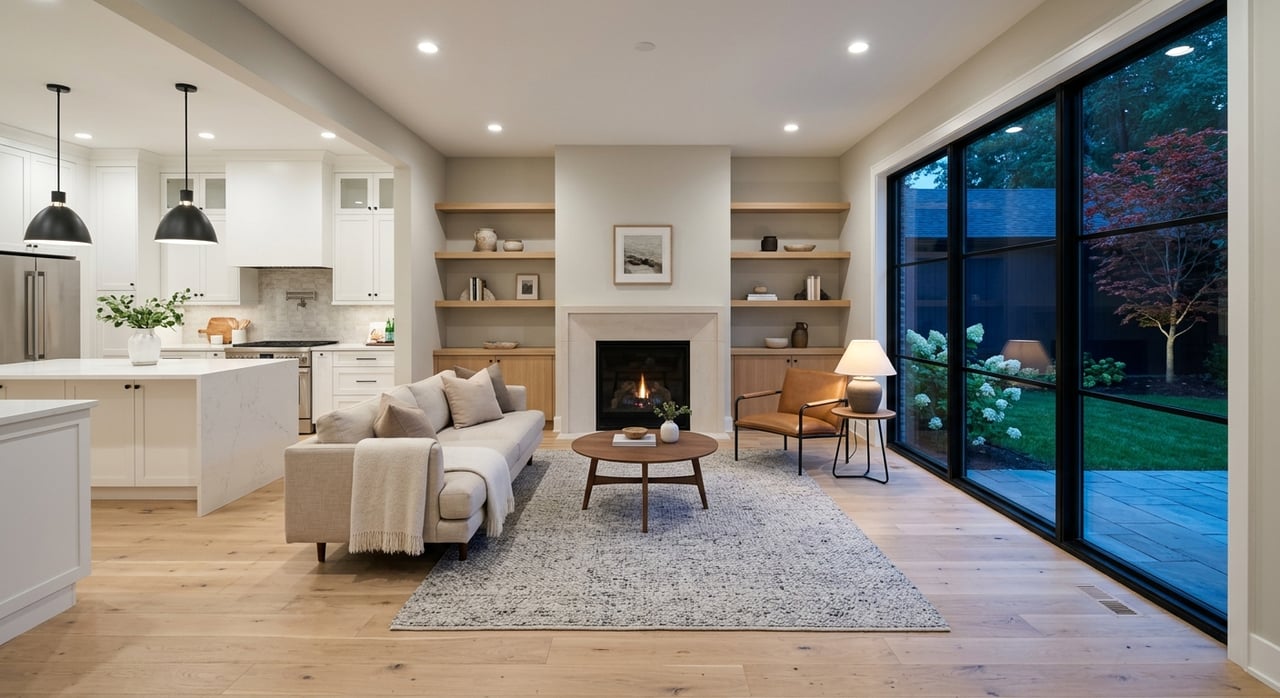
For many buyers, new construction is about more than getting a home that no one has lived in before. It is often about getting a more predictable package: modern layouts, newer systems, energy-efficient features, and the chance to make design choices before move-in.
That pattern shows up clearly in Gretna’s current builder offerings. In Lincoln Ridge, for example, published community details include lots averaging about 70 by 125 feet, villa pricing from the $300,000s, and single-family and ranch pricing from the $400,000s, with estimated lot prices around $57,000 to $75,000.
Newer communities can also vary quite a bit within the same subdivision style. A published Lincoln Ridge villa lot measures 48.64 by 186.30 feet, which shows that even in new construction, lot shape and usable yard space may not look the same from one home to the next.
Highland Trails offers another example of what buyers often seek in a new build. The community is marketed with builder lots off 216th Street between Lincoln Road and Cornhusker Road, with features such as modern prairie exteriors, transitional interiors, and 3-car garages, plus a future Gretna school site nearby.
National buyer preference research from NAHB points to the same benefits many Gretna buyers mention when they start their search:
In current Gretna builder examples, that often translates into gourmet kitchens, vaulted ceilings, basement-finish options, larger garages, and a more design-forward feel from day one.
One of the biggest misconceptions about new construction is that every lot is basically the same. Gretna’s zoning code helps explain why that is not true.
In the city’s R-1 district, single-family homes require at least 10,000 square feet and 80 feet of width. In the R-3 district, the minimum for a single-family home is 7,000 square feet and 50 feet of width. The subdivision ordinance also says lot dimensions and orientation should fit the development type and provide practical access, which is one reason newer neighborhoods often feel more uniform and planned.
A new home can be a great fit, but it is important to look beyond the model-home appeal. In Gretna, private neighborhood rules and infrastructure structures can affect both your monthly budget and how you use the property.
Nebraska law defines a homeowners association as a nonprofit corporation that enforces restrictive covenants and collects common-area costs from lot owners. In newer developments, that can mean dues, exterior guidelines, architectural review standards, and other neighborhood rules.
Sarpy County also explains that a sanitary and improvement district, or SID, may be created when land is developed for housing. An SID can install infrastructure such as streets, sewers, and power, and it can levy taxes and special assessments to recover those costs.
Before you assume the payment is straightforward, ask:
These questions are especially important in areas where development is still active and surrounding parcels may continue to change.
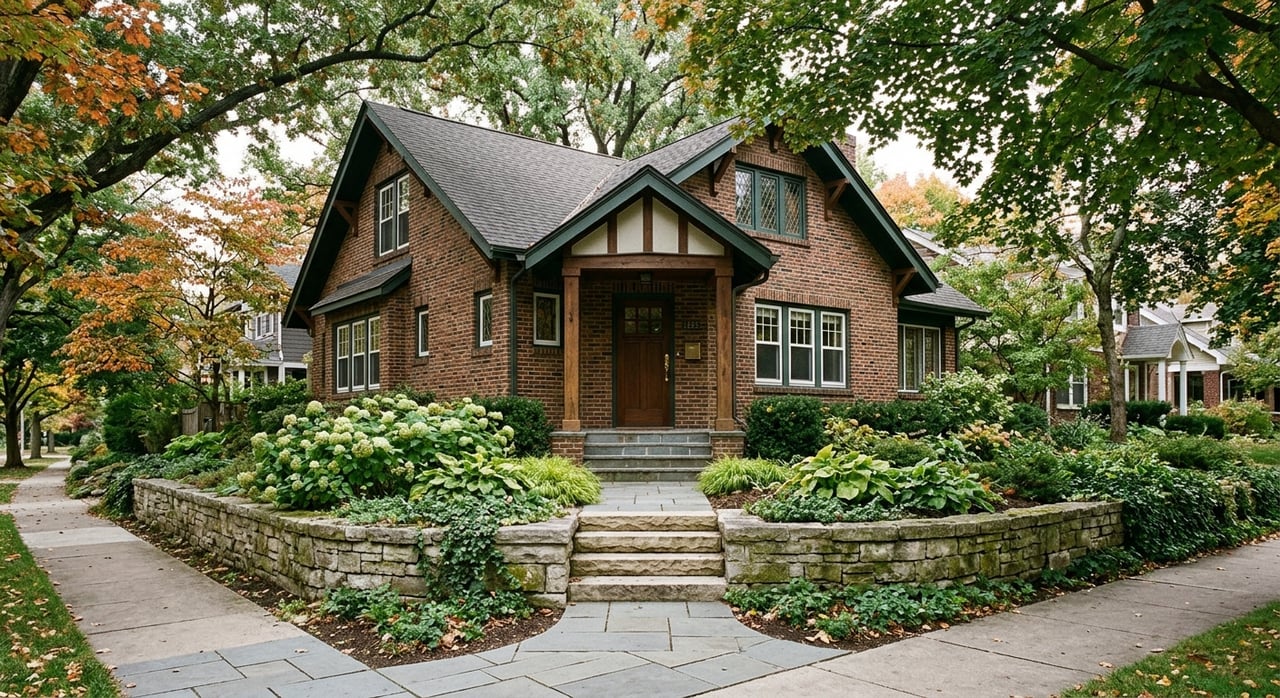
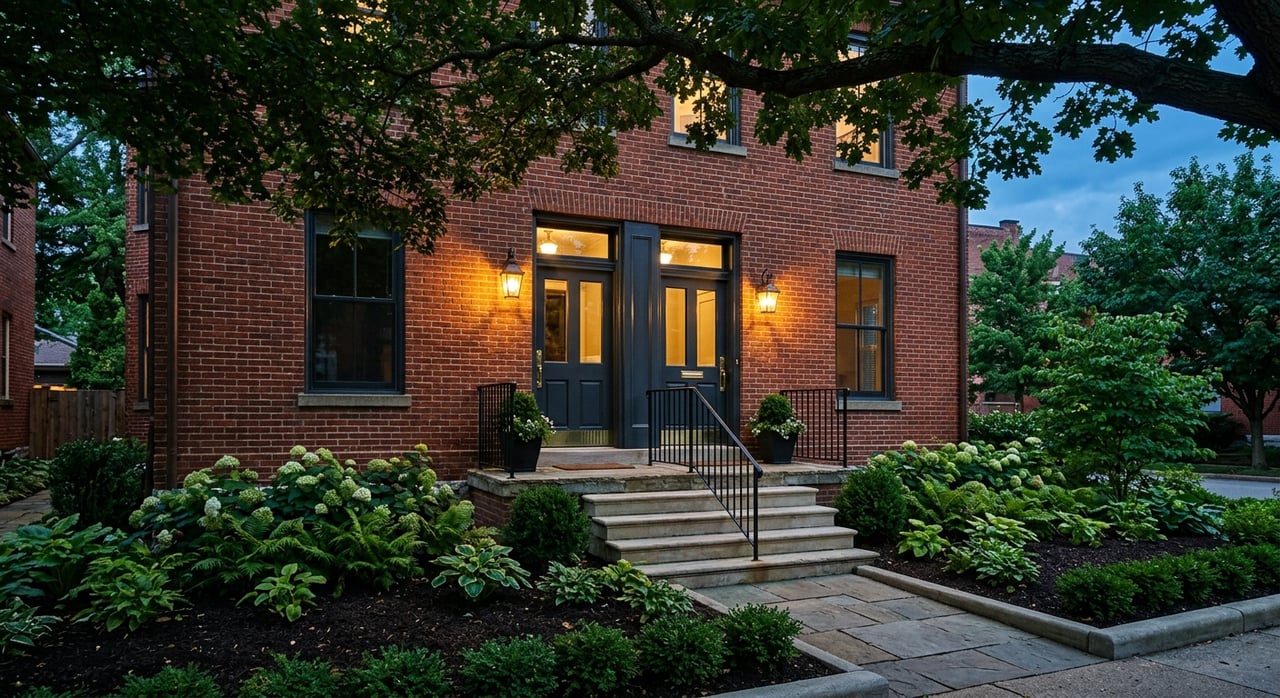
If new construction offers control and convenience, resale often offers context and flexibility. Gretna’s comprehensive plan describes Downtown Gretna as the city’s historic center, shaped by the town’s small-farming roots with brick streets, a walkable residential pattern, modest retail activity, and many historic homes.
That description creates a clear contrast with newer edge-of-town subdivisions. Established resale areas near the original townsite are more likely to reflect older lot patterns, mature landscaping, and a neighborhood feel that has developed over time.
For some buyers, that setting matters more than having everything brand new. You may value established trees, a more traditional block layout, or the chance to buy a home with character and update it as your budget allows.
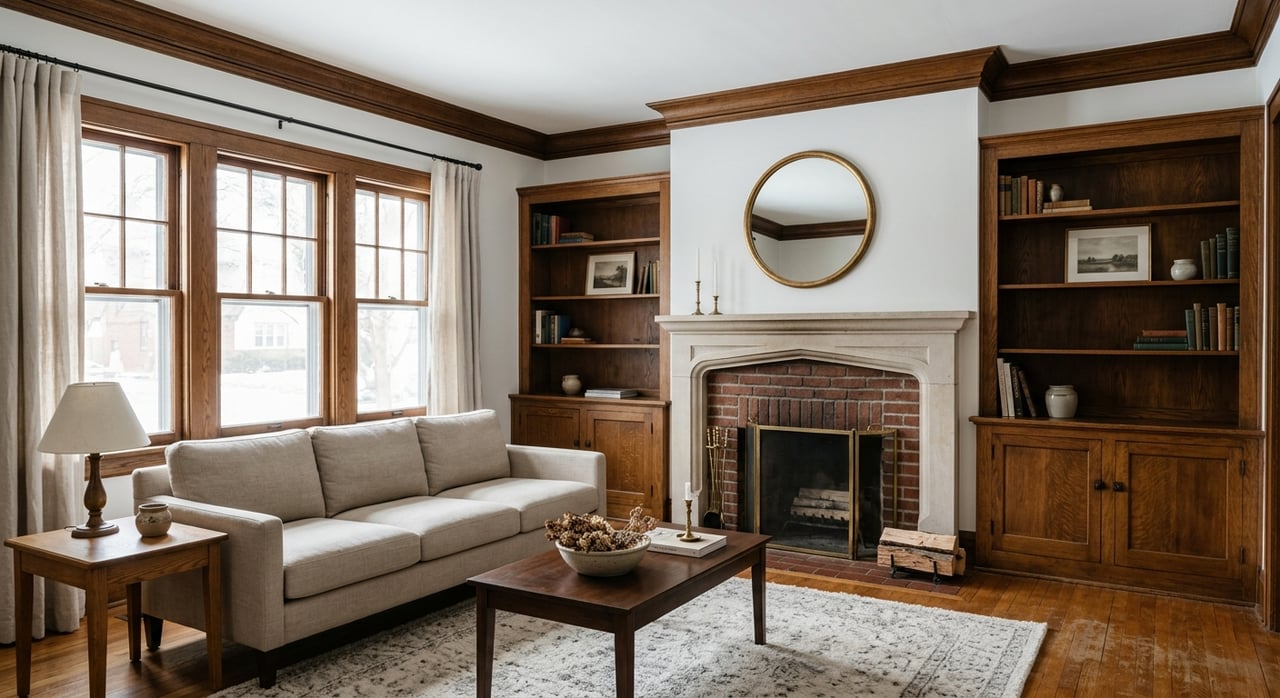
A resale home does not need to be brand new to feel appealing. Presentation plays a major role.
According to NAR’s 2025 Profile of Home Staging, 29 percent of agents said staged homes received offers that were 1 to 10 percent higher, and 49 percent said staging reduced time on market. That supports what many buyers already feel when touring homes: a well-prepared resale can close much of the visual gap between older and newer inventory.
NAHB also notes that older homes are often renovated to better reflect what buyers want today, including energy efficiency, home office space, and outdoor living. In other words, a resale home may offer a better starting point for value if you are open to updates.
Resale may make more sense if your priorities include:
This path can work especially well if you are able to look past cosmetic issues and focus on layout, lot, and long-term potential.
In Gretna, commute timing should be part of your home search, not an afterthought. The city notes access to I-80, Highway 370, and Highway 6/31, with typical drive times of about 10 to 20 minutes to Omaha and 30 to 40 minutes to Lincoln.
Even so, not every Gretna address will feel the same during the morning or evening rush. Ongoing roadway and interchange projects are a reminder that access is evolving, so it is smart to test the actual drive from any home you are considering at the times you would really use it.
If you are still torn, focus on what matters most in your daily life and budget. The right answer in Gretna is usually less about which option is better overall and more about which trade-offs fit you best.
If you own a resale home in Gretna and you are competing with newer construction, age alone does not decide your outcome. Preparation does.
Cosmetic updates like neutral paint, refreshed flooring, lighting, landscaping, decluttering, and strategic staging can help a resale listing feel more current and more competitive. For sellers, that is often the difference between being compared to new construction in a negative way and standing out for value, personality, and move-in appeal.
That is where a thoughtful listing transformation can matter. When a home is positioned well, buyers are more likely to focus on the strengths that new construction cannot always replicate, like established surroundings, lot character, and location feel.
If you are weighing a move in Gretna, whether buying new, buying resale, or preparing an existing home for the market, The Agency Real Estate Group can help you think through the trade-offs and build a plan that fits your goals.
Stay up to date on the latest real estate trends.
We specialize in transforming homes with high end staging & photography. List with us today!