Dundee And Midtown Omaha: How They Compare For Buyers
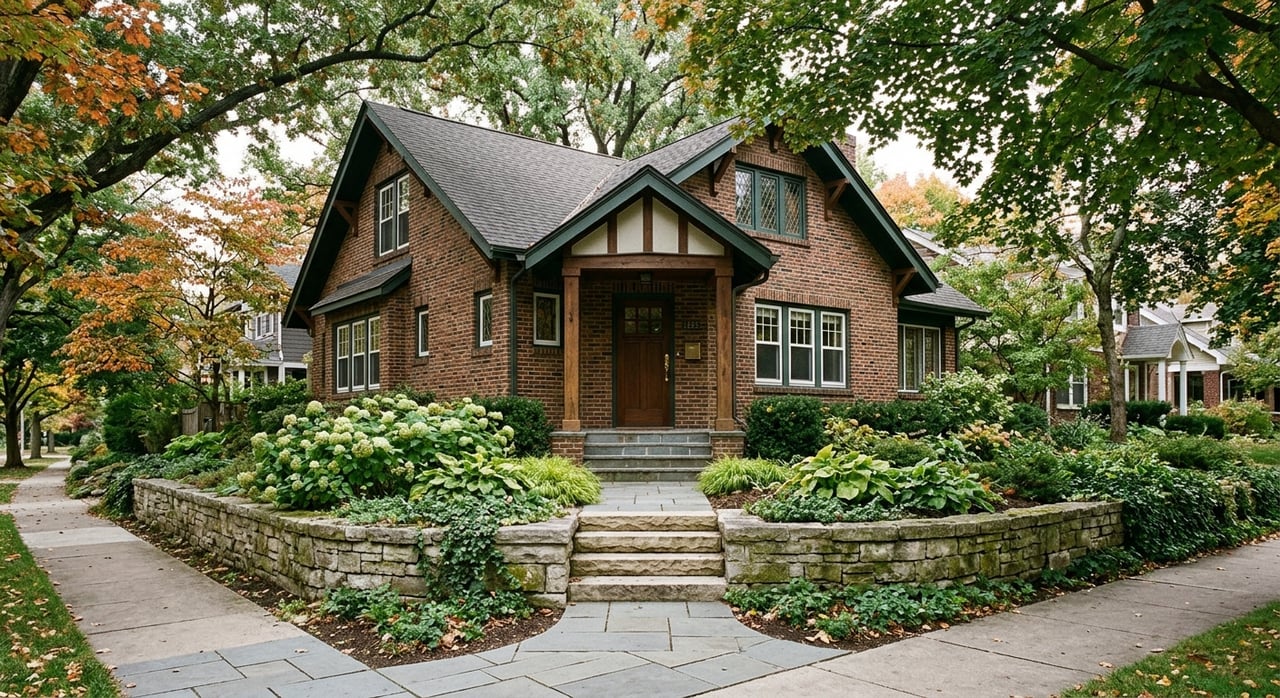
Trying to choose between Dundee and Midtown Omaha? If you are drawn to both historic charm and central-city convenience, it is easy to see why this decision feels a little tricky. The good news is that each area offers a distinct buyer experience, and once you compare housing, price points, walkability, and day-to-day lifestyle, the right fit usually becomes much clearer. Let’s dive in.
Dundee and Midtown both sit in central Omaha, but they do not feel the same once you start looking closely. Dundee-Happy Hollow is a historic district about two miles west of downtown, with roots stretching back to the late 19th and early 20th centuries. Midtown, by comparison, is often used as a broader central Omaha area rather than one single neighborhood.
For buyers, that difference matters. Dundee tends to offer a more defined historic-neighborhood identity, while Midtown gives you a wider range of living environments depending on the specific pocket you choose. In simple terms, Dundee feels more consistent, and Midtown feels more varied.
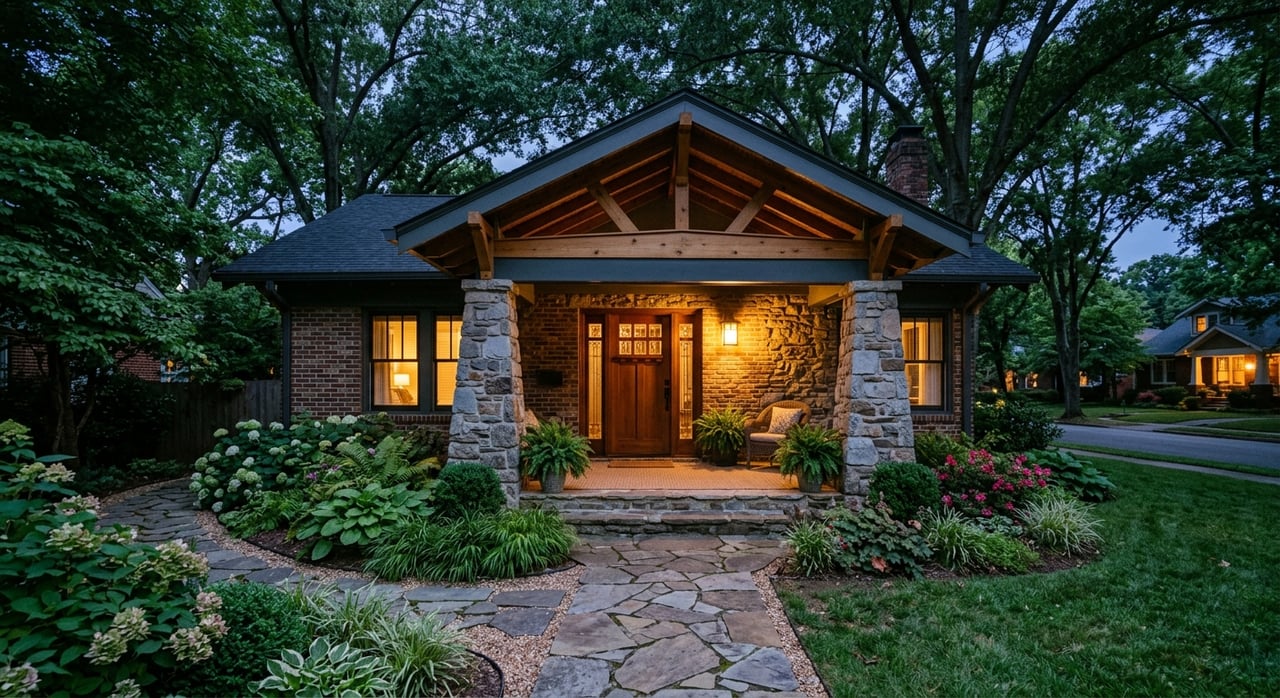
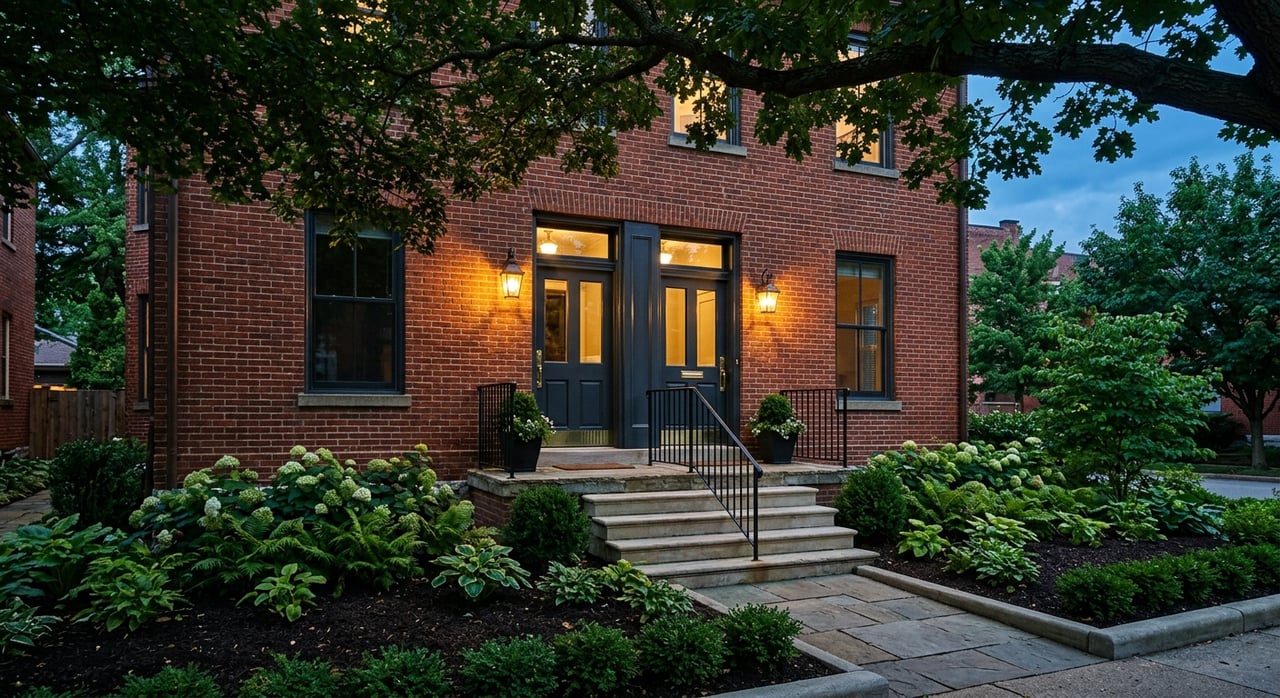
If you love older homes with strong architectural character, Dundee will likely stand out right away. The historic district includes Period Revival, Bungalow, Craftsman, and Prairie-style homes, along with architect-designed residences tied to notable Omaha firms.
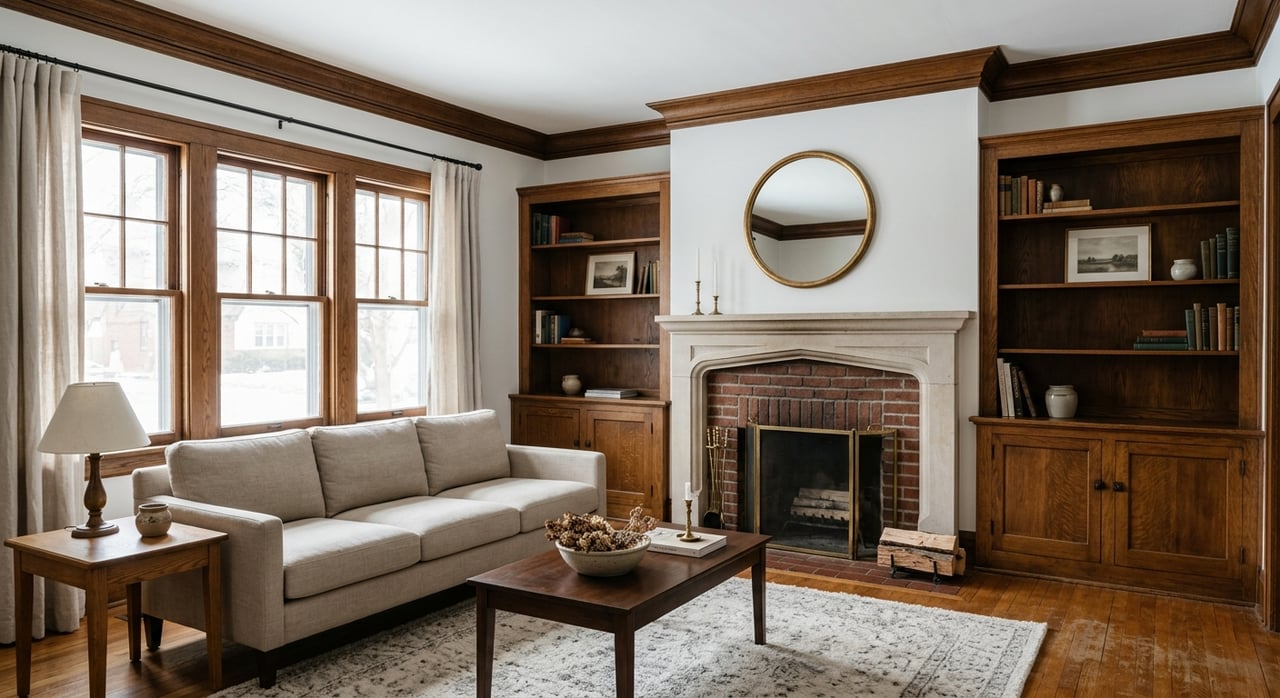
That kind of housing stock often appeals to buyers who want original details, mature streetscapes, and a neighborhood with a clear visual identity. It can also mean you may run into older systems, older layouts, or finishes that need updating over time.
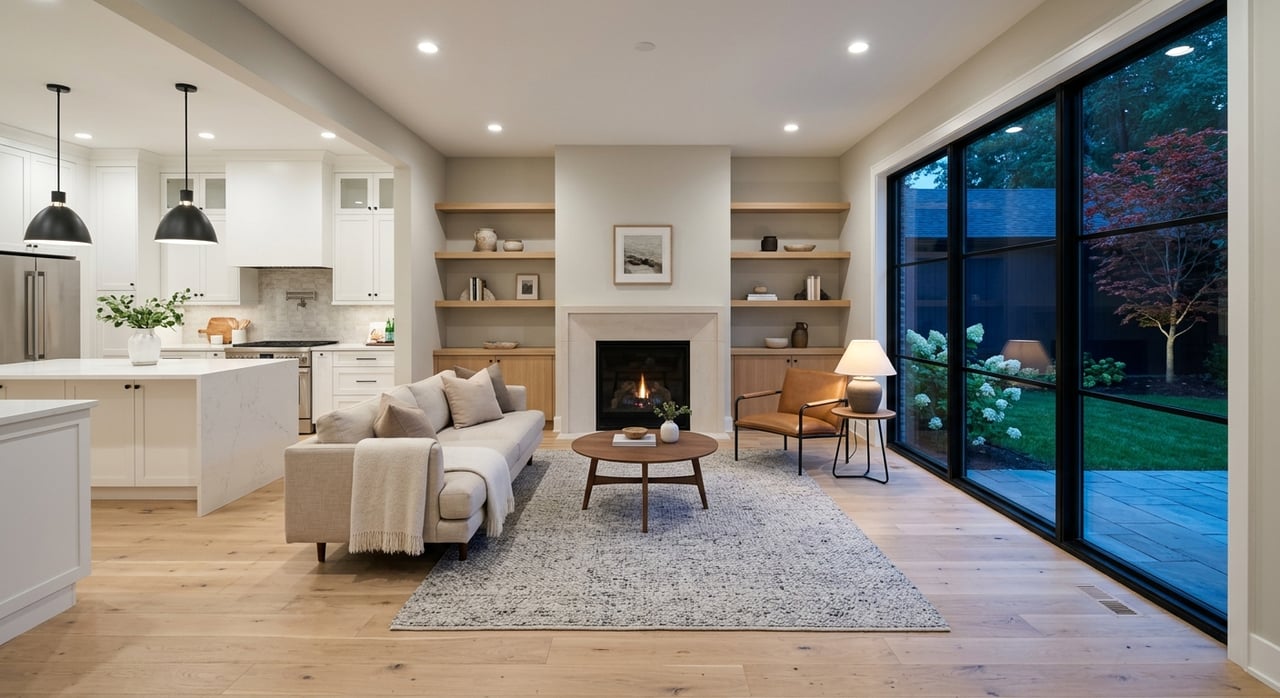
Midtown gives you a broader menu of options. In this larger area, you can find refurbished older homes, condos, apartments, and mixed-use living environments, including Midtown Crossing with its condos, apartments, and retail space centered around Turner Park.
If your top priority is flexibility, Midtown may be easier to shop. You may be able to compare a renovated older house, a condo with lower exterior maintenance, and a more urban live-work-play setting without leaving the general Midtown area.
Current market snapshots show Dundee with a median listing price of $400,000, 8 active homes for sale, and a median of 38 days on market. Those numbers point to a smaller inventory pool and a market where available options may be limited at any given time.
For you as a buyer, that usually means less room to wait for the perfect match. If a home in Dundee checks your boxes, you may need to move with purpose because the neighborhood does not always offer a deep bench of listings.
Midtown’s broader snapshot shows a median listing price of $320,000, 115 homes for sale, and a median of 36 days on market. Within Midtown, though, pricing can vary quite a bit by pocket, with examples ranging from about $155,000 in Gifford Park to about $371,950 in Leavenworth.
That wider spread is important. Midtown can open the door to more price points and more property types, but it also means you need to compare specific subareas carefully instead of relying on one broad median number.
Dundee sits about four miles west of downtown Omaha and has access to Routes 6, 64, and 75 as well as I-480. Apartments.com rates Dundee at 70 out of 100 for walkability, 70 out of 100 for drivability, and 30 out of 100 for public transit.
In everyday life, that often translates to a comfortable close-in commute with solid driving access. If you want a central location but still expect to do most of your errands by car, Dundee can feel like a practical middle ground.
Midtown scores higher for walkability at 80 out of 100, with the same 30 out of 100 transit score. Metro Transit’s ORBT runs along Dodge and Douglas from downtown to Westroads, and Midtown Crossing notes access to public transportation and the planned Omaha streetcar route.
If you picture yourself walking to restaurants, events, or nearby errands more often, Midtown may fit better. It tends to offer a more urban version of central Omaha living, while still working well for drivers.
Dundee is known for its tree-lined feel and neighborhood-scale pattern. The area includes the Dundee Community Garden, and larger green spaces like Memorial Park and Elmwood Park are nearby. Local dining and entertainment options add activity, but the experience is still more block-by-block than district-wide.
Visit Omaha highlights places such as Pitch Pizzeria, Amsterdam Falafel & Kabob, Dundee Dell, Goldbergs in Dundee, and Film Streams’ Dundee Theater. For many buyers, that mix creates a lifestyle that feels established, local, and rooted in the neighborhood itself.
Midtown’s lifestyle centers more heavily around Turner Park and the mixed-use environment nearby. Midtown Crossing describes Turner Park as its centerpiece green space and says the district hosts concerts, festivals, pop-ups, and workout classes throughout the year.
Visit Omaha also frames Midtown Crossing as a spot with local flavor, public art, and more than 30 restaurants and retailers on site. If you want activity clustered in one place with easy access to dining and events, Midtown often delivers that more directly.
Dundee may be the better fit if you are looking for:
For many buyers, Dundee is about the home itself first. The architecture, the setting, and the sense of place tend to lead the decision.
Midtown may be the better fit if you are looking for:
For many buyers, Midtown is about options. You can often weigh lifestyle convenience, budget, and property type more flexibly there than in a smaller historic district.
When buyers are torn between Dundee and Midtown, it helps to compare them through three simple lenses: home style, lifestyle, and search flexibility. That usually gets you to a decision faster than focusing on price alone.
Ask yourself:
Once you answer those questions honestly, the right area often becomes obvious.
Dundee and Midtown can look close on a map, but they create very different buying experiences. One offers a more uniform historic-home story. The other offers a broader urban-convenience story with more variation by pocket.
That is why neighborhood-level guidance matters. When you are comparing older homes, mixed-use areas, inventory depth, and shifting price bands across central Omaha, a local team can help you focus on the homes and blocks that best match your goals.
If you are weighing Dundee against Midtown Omaha, The Agency Real Estate Group can help you compare options, narrow your search, and move forward with a clear plan.
Stay up to date on the latest real estate trends.
We specialize in transforming homes with high end staging & photography. List with us today!