How to Sell a Home in Papillion, La Vista, or Ralston
If you plan to sell in Papillion, La Vista, or Ralston, your prep work can shape both your timeline and your bottom line. You want your home to stand out, attract serious buyers, and avoid preventable surprises once offers start coming in. The good news is that you do not need to renovate everything to compete well in this part of the metro. You need a smart plan, strong presentation, and a clear understanding of what matters most. Let’s dive in.
Papillion, La Vista, and Ralston are not moving at the exact same pace, which matters when you decide how much work to do before listing. In Papillion, Zillow shows an average home value of $412,763 as of April 30, 2026, up 1.5% year over year, with homes going pending in about 12 days. Redfin also reported a median sale price of $345,244 in April 2026 and about 12 median days on market.
La Vista remains active as well. Zillow reports an average home value of $310,369, up 2.8% year over year as of April 30, 2026. Redfin shows a median sale price of $281,863, up 4.8% year over year, with 16 median days on market and a 102.3% sale-to-list ratio in April 2026.
Ralston is more price-sensitive and generally slower than Papillion or La Vista. Zillow places the average home value at $266,750, up 3.7% year over year as of April 30, 2026. Realtor.com reported a median listing price of $240,750, a median sold price of $274,950, and 34 median days on market in March 2026.
The takeaway is simple. In Papillion and La Vista, buyers are often making decisions quickly, so clean presentation and photo-ready condition matter right away. In Ralston, where days on market are longer, realistic pricing and visible condition become especially important.
Before you spend money, start with the items buyers will notice first online and in person. National Association of Realtors seller guidance points to three top priorities: decluttering, deep cleaning, and curb appeal. In its 2025 staging report, 91% of sellers’ agents said decluttering was a top recommendation, 88% said cleaning the entire home, and 77% said improving curb appeal.
That should be encouraging if you are worried about a huge pre-listing budget. The most effective updates are often the simplest ones. A cleaner, lighter, better-organized home usually performs better than a home with expensive upgrades but distracting clutter or deferred maintenance.
Decluttering helps buyers see the space, not your stuff. It also improves photos, showings, and the overall feeling of the home. If you are living in the home while preparing to sell, focus on counters, open shelving, entry areas, and closets first.
A full cleaning is just as important. Clean windows, floors, baseboards, bathrooms, and kitchen surfaces can make a home feel more cared for. NAR data shows that cleaning the entire home remains one of the most common seller recommendations for a reason.
Fresh interior paint is one of the most common pre-listing projects. Zillow found that 32% of sellers painted their home’s interior before selling in 2024. It also notes that small wall imperfections show up clearly in listing photos and virtual tours.
If your walls are heavily marked, bold, or uneven, paint can be a high-impact fix. Neutral, clean-looking walls help buyers focus on the layout, light, and condition of the home. You do not need a dramatic redesign to make a strong impression.
Kitchens and bathrooms get a lot of buyer attention, but that does not mean you need a full remodel before you list. NAR recommends keeping these spaces clean and clutter-free, then making selective updates like replacing pulls, sinks, faucets, and lighting. Zillow also points to simple bathroom fixes such as updated vanity lights and re-caulking or reglazing.
This is usually a better use of your budget than tearing out cabinets or starting a major renovation on the eve of a sale. If something looks dated but functions well, a lighter cosmetic approach often makes more sense. The goal is to present the home as well-maintained and move-in ready where possible.
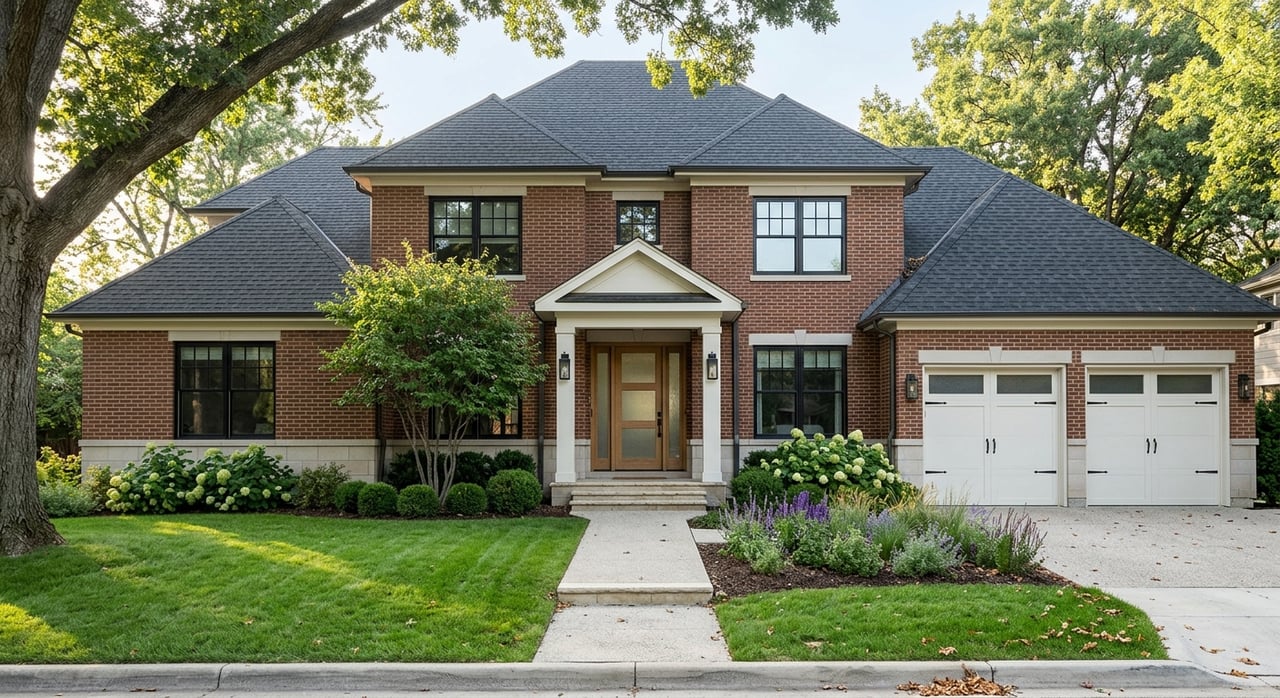
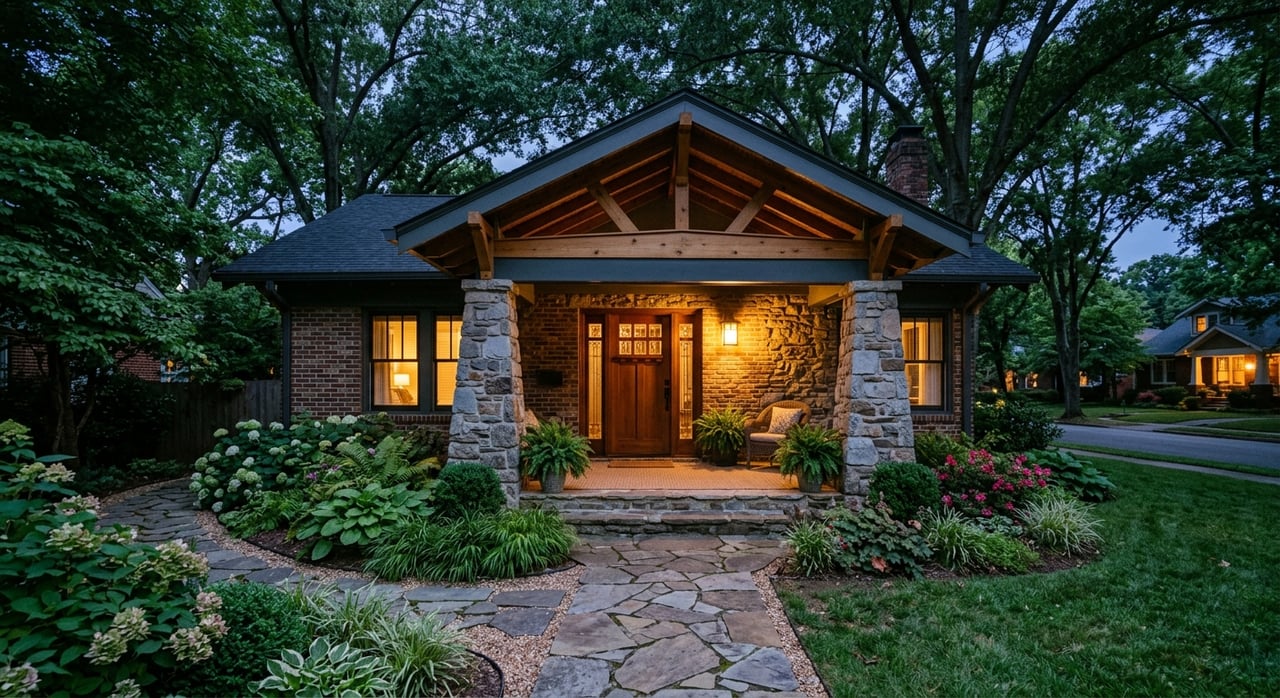
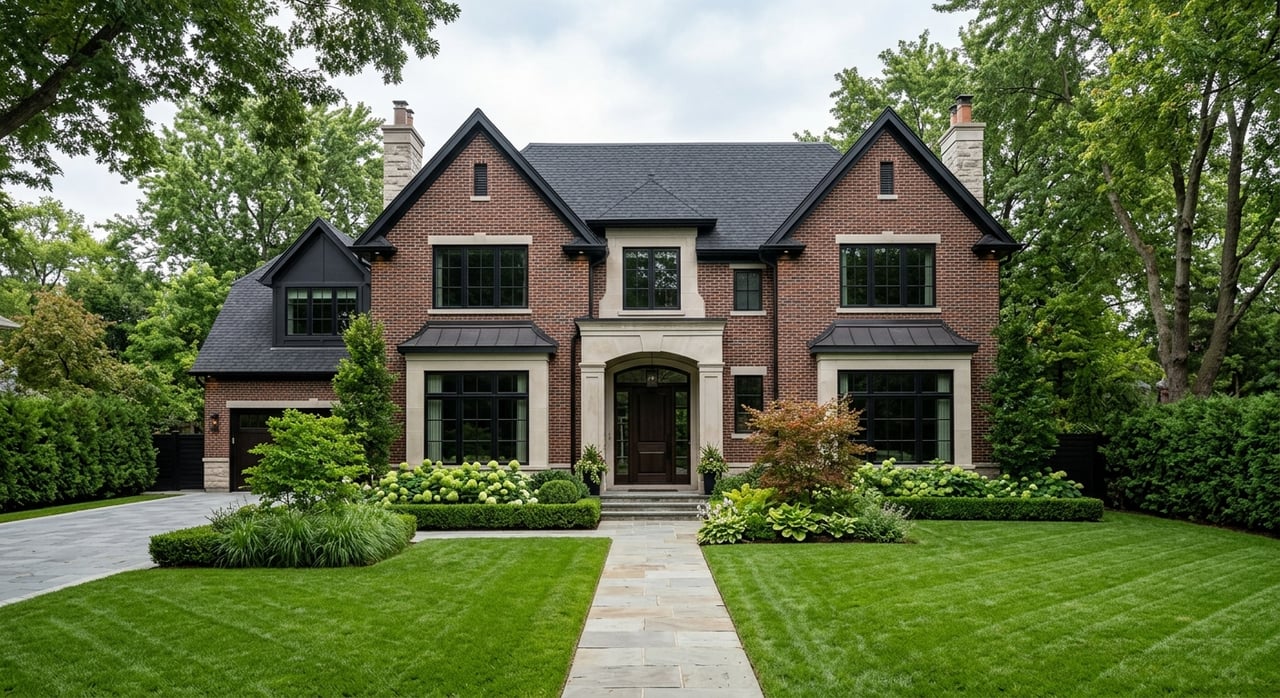
Your exterior is the first thing buyers see, whether they drive by or scroll past your listing online. NAR’s curb appeal guidance recommends trimming shrubs, adding flowers, updating locks and knobs, repairing driveway cracks, cleaning windows, polishing or replacing house numbers, upgrading outdoor lighting, and setting out a fresh doormat.
Zillow also highlights low-cost exterior projects such as freshening the front door, sealing walkway cracks, and updating house numbers. Its research notes that buyers prefer black front doors over gray ones. These are small details, but together they can create a stronger first impression.
In neighborhoods where buyers move quickly, curb appeal can help get them through the door. In areas where homes sit longer, it can help keep your property from being dismissed before a showing is even scheduled.
If your home has a roof concern, HVAC issue, aging appliance problem, or another major repair item, gather information early. NAR’s consumer guidance recommends getting repair estimates even if you do not plan to fix the issue before listing. Buyers often factor those costs into negotiations.
That preparation gives you better control. Instead of reacting under pressure, you can decide whether to repair the item, price around it, or disclose it clearly and support your position with estimates. This is especially helpful when you want fewer surprises once inspections begin.
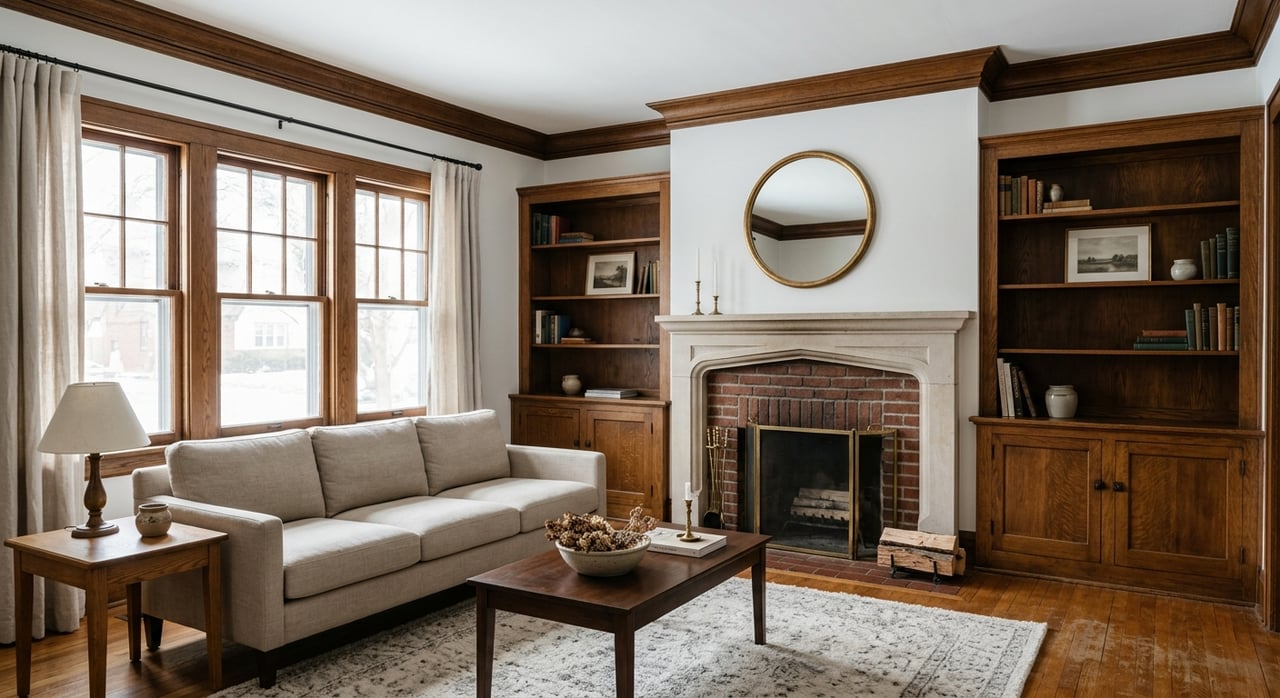
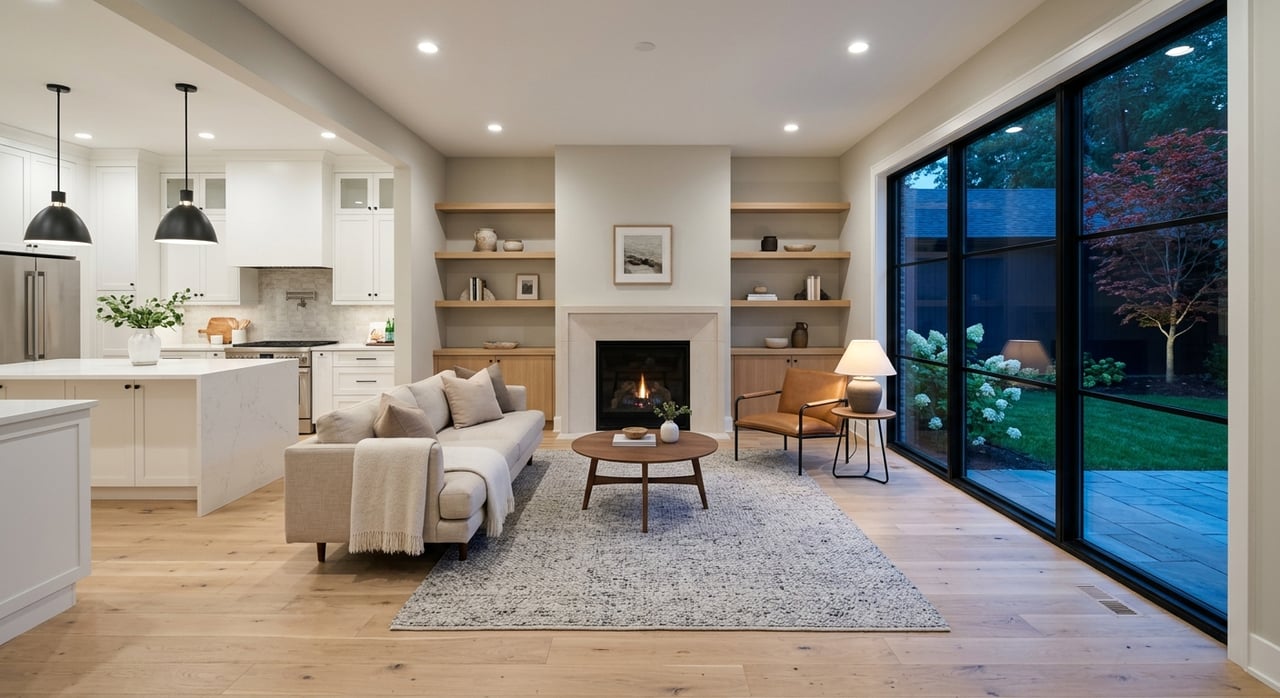
Staging is not just about making a room look pretty. It helps buyers understand the space and picture daily life in the home. According to NAR’s 2025 staging report, 83% of buyers’ agents said staging makes it easier for buyers to visualize a home as their future home.
It can also affect value and timing. In that same report, 29% of agents said staging produced a 1% to 10% increase in the dollar value offered. Nearly half of sellers’ agents said staging reduced time on market.
NAR data shows the most commonly staged rooms are the living room, primary bedroom, dining room, and kitchen. These are the spaces where buyers tend to imagine everyday routines, hosting, and comfort. If your budget is limited, start there.
Full-home staging is not always necessary. NAR reported a median cost of $1,500 for professional staging and $500 when sellers’ agents handled staging. If full staging is not the right fit, partial staging and focused styling can still improve the home’s presentation.
For many sellers, especially occupied homes or estate situations, the best approach is a strategic transformation rather than an all-or-nothing overhaul. That aligns closely with how serious listing preparation should work: improve what buyers notice most, support the home’s story, and keep the process manageable.
Once your home is clean, staged, and ready, professional media becomes essential. NAR found that buyers’ agents said listings with photos, traditional staging, videos, and virtual tours were much or more important to clients. Sellers’ agents also reported that photos and videos matter substantially.
That is especially true in markets where buyers are comparing homes quickly. In Papillion and La Vista, where recent market data points to relatively fast movement, polished visuals can help your listing compete from day one. In Ralston, strong media can help your home hold attention longer and justify a well-supported asking price.
A strong listing launch should happen only after the home is truly photo-ready. If you take photos too early, before cleaning, styling, or touch-ups are complete, you may weaken the first impression that many buyers never revisit. Presentation and media work best when they are planned together.
Nebraska has a written seller disclosure requirement for residential real property. Under Nebraska statute, each seller of residential real property must provide a written disclosure statement of the property’s condition. The Nebraska Real Estate Commission states that the form generally applies to residential property with one to four dwelling units whether the home is listed by an agent or sold by owner.
The disclosure must be delivered on or before the effective date of any contract binding the purchaser. If information becomes inaccurate before then, the statement must be updated. The statute also lists certain exemptions, including some foreclosure, bankruptcy, fiduciary, co-owner, family-member, and never-occupied new construction transfers.
Because the disclosure form covers items such as appliances, electrical, heating and cooling, water and sewer systems, hazardous conditions, title issues, utility connections, and carbon-monoxide alarm compliance, it helps to organize your records early. That may include:
This is one of the easiest ways to reduce stress later. When buyers ask questions, you are better prepared to answer clearly and consistently.
If you are planning ahead, a six- to twelve-month runway can make the process smoother. That does not mean you need to work on your house for a full year. It means giving yourself enough time to decide what matters, budget wisely, and avoid rushed decisions.
This sequence fits what the current data supports in Papillion, La Vista, and Ralston. You do not need to renovate everything. You need to price realistically, fix what buyers will notice immediately, and make the home easy to picture both online and in person.
If you are getting ready to sell and want a clearer plan for what to update, what to leave alone, and how to present your home for the strongest launch, The Agency Real Estate Group can help you build a smart, market-ready strategy.
Stay up to date on the latest real estate trends.
We specialize in transforming homes with high end staging & photography. List with us today!