Living In Dundee: Streets, Homes, And Lifestyle
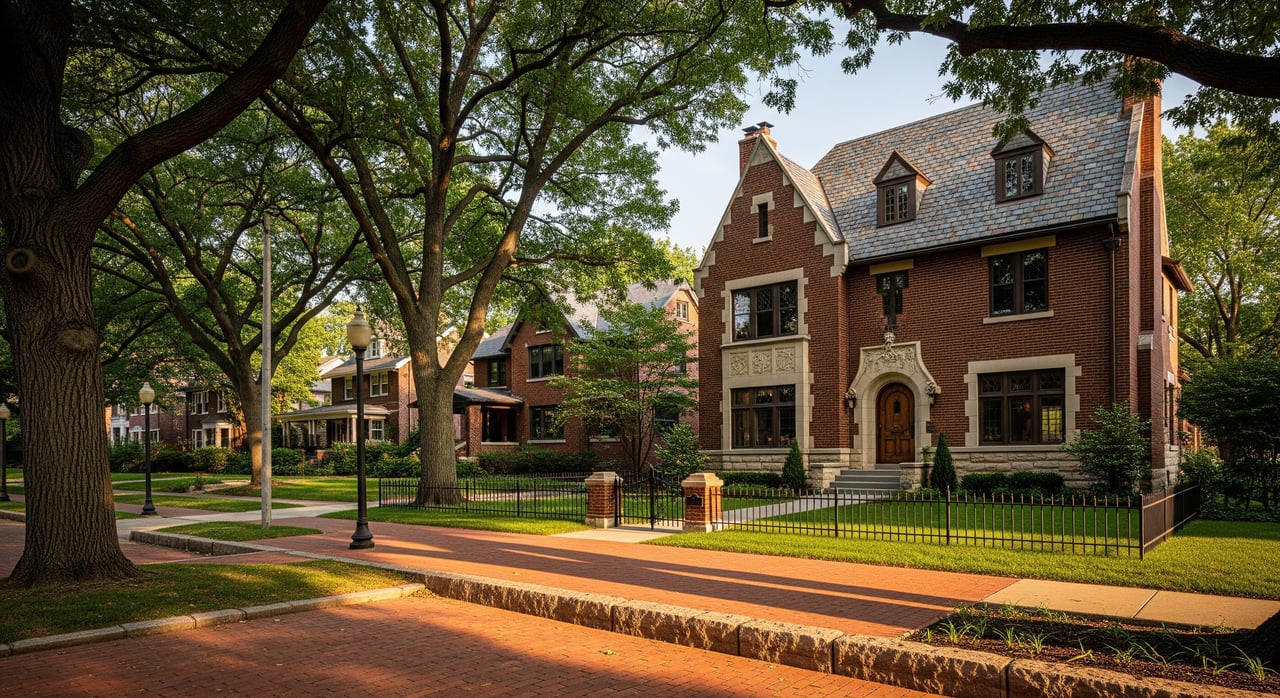
If you picture tree-lined streets, classic architecture, and a laid-back commercial strip where you can grab coffee or dinner close to home, Dundee-Happy Hollow will feel right. You want a central Omaha location that is easy to navigate and rich with character, without giving up daily conveniences. In this guide, you will learn how Dundee’s streets flow, what home styles you will see, how the lifestyle works day to day, and what to expect when you buy or sell here. Let’s dive in.
Dundee-Happy Hollow sits in midtown Omaha and is commonly known simply as Dundee. It took shape in the early 1900s during the streetcar era, which shaped its block sizes, sidewalks, and neighborhood-scale retail. That history still shows in the rhythm of the streets and the concentration of intact older homes.
Parts of Dundee are recognized for historic significance, which preserves the neighborhood’s character. If you plan to renovate, you should verify whether a property sits within a locally regulated historic area and what that means for permits and exterior work. Older lot patterns also translate to walkable blocks, established setbacks, and a consistent early-20th-century streetscape that many buyers value.
Dundee is known for a walkable setting with sidewalks, street trees, and short blocks that make quick trips on foot straightforward. A small commercial corridor near the center of the neighborhood offers restaurants, cafes, bars, and neighborhood-serving shops. The feel varies street by street, so it helps to tour at different times of day to understand traffic, parking, and ambient noise.
You will find small parks and pocket green spaces within walking distance for many addresses. Mature street trees and landscaped front yards reinforce the calm, established feel. Larger city parks and midtown recreation areas are a short drive or bike ride away and expand your options for sports, trails, and play areas.
Most properties are single-family homes on modest-to-medium lots, often 1.5 to 3 stories with front porches and garages set to the rear or side. You will also see pockets of duplexes, small multiunit conversions, and a handful of apartment or condo buildings. That mix allows a range of price points and sizes throughout the neighborhood.
You will notice a strong concentration of early-20th-century styles:
Interiors often feature original wood trim, built-in cabinetry, hardwood floors, and basements. Many homes have been updated, so you will find everything from preserved period details to full modernizations.
Expect a mix of beautifully restored homes, sensitively updated properties, and houses that need new mechanicals or cosmetic work. For older homes, plan for a thorough inspection and a budget that considers HVAC, electrical, plumbing, insulation, and potential foundation repairs. If a property sits within a historic district, historic-appropriate materials and details can matter for exterior changes, so factor that into timelines and costs.
Dundee offers a cluster of locally owned restaurants, coffee shops, and neighborhood businesses that make weeknights and weekend errands easy. The scale is intimate rather than big-box, with most needs met close to home. When you want more, nearby midtown and downtown districts add broader retail and dining options.
Addresses in Dundee are served by Omaha Public Schools. School assignments can change, so always verify current boundaries, enrollment, and program availability directly with the district. Nearby playgrounds and community organizations support a steady calendar of activities and add to the neighborhood’s everyday rhythm.
Dundee is widely viewed as a desirable midtown neighborhood. That central appeal and historic character often place home values above the citywide median, with a mix of move-in-ready listings and properties that invite renovation. Pricing and inventory change with season and rates, so use a current, date-stamped snapshot for decisions and be ready to move quickly on the right house.
Older homes can deliver charm and long-term livability, but they require realistic budgeting. Build in funds for inspections, potential system upgrades, insulation improvements, and historic-appropriate exterior work if applicable. If you are eyeing a renovation, plan your scope before closing so you can sequence contractors, permits, and materials without delay.
Value comes from matching condition and location to your goals. Proximity to the neighborhood commercial corridor can be a lifestyle perk, while quieter interior blocks appeal if you prefer less activity. Compare lot sizes, parking arrangements, and the extent of prior updates, then weigh them against likely upgrade costs. A local expert can help you price improvements with market outcomes in mind so you avoid over-investing.
One of Dundee’s strengths is access. Car commutes to midtown and downtown Omaha are typically short, depending on time of day and exact destination. Metro Transit operates bus service across midtown, and select routes provide direct or connecting service to major employment centers. Bike connections vary by corridor, so check city bike maps to plan a comfortable route.
Selling in Dundee often rewards thoughtful presentation. The Agency Real Estate Group pairs in-house staging, professional photography, and content-driven marketing to position listings for faster sales and stronger offers. For buyers, our team helps you evaluate historic homes with a practical lens, model renovation scenarios, and time your offer strategy to the market. Whether you are upsizing, right-sizing, or investing, you get a senior-led, local approach tailored to Dundee’s unique housing stock.
Ready to take the next step in Dundee-Happy Hollow? Connect with our team for a focused plan that fits your goals. Reach out to The Agency Real Estate Group to get started.
Stay up to date on the latest real estate trends.
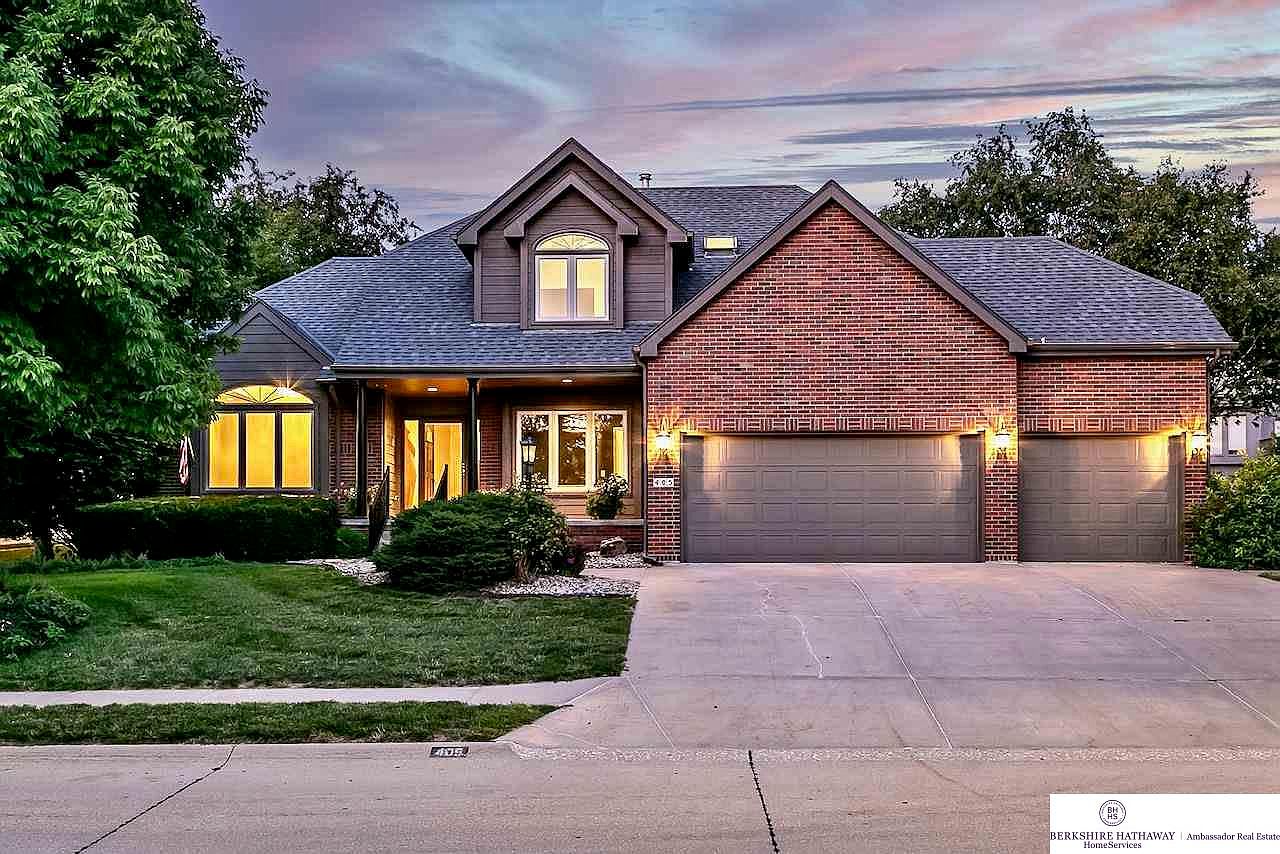
The Agency updated the home and staged it to sell for top dollar.
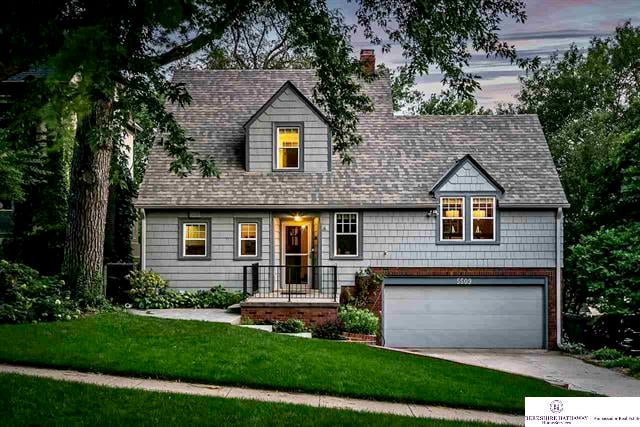
With the help of the Agency Group, the sellers accepted an offer for $90k more than they purchased it for two years prior.
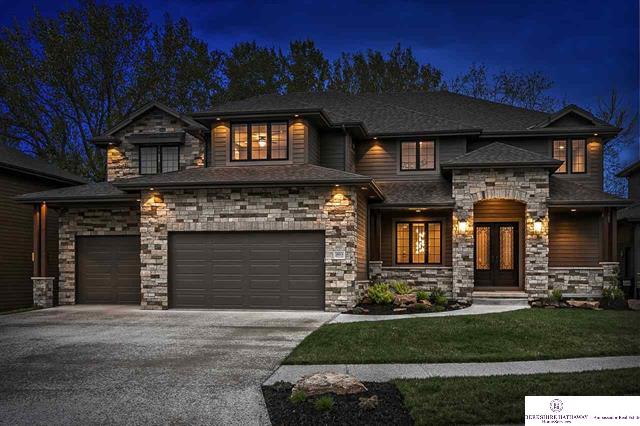
By adding staging and new lighting, the home was sold with multiple offers at 6K+ asking.
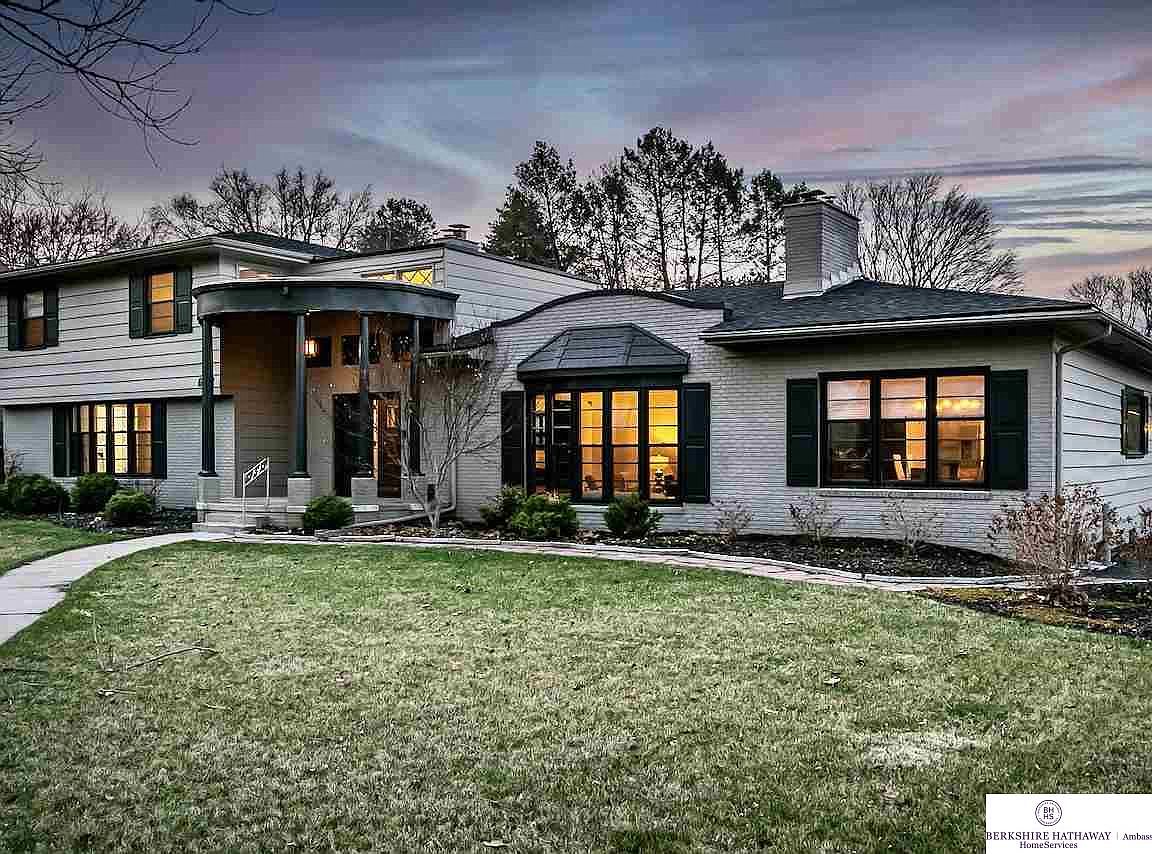
Previously listed with two other agents over a two year period without selling.
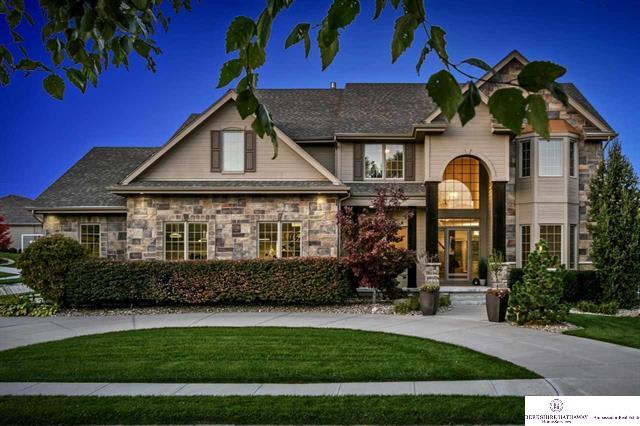
Previously listed by another top agent. For being in Elkhorn, at 10 years old.
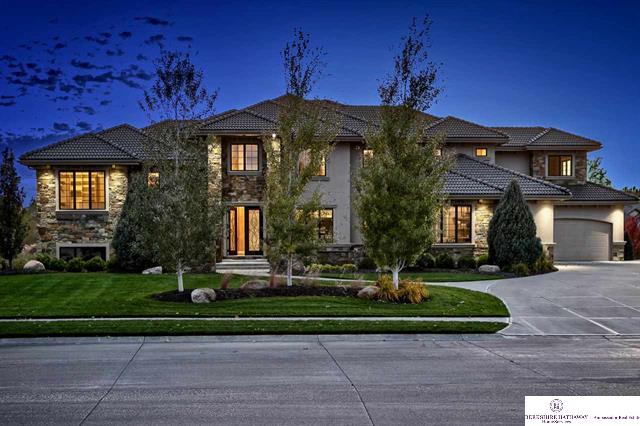
Although the home was 3 years young, The Agency Group utilized staging.
We specialize in transforming homes with high end staging & photography. List with us today!