Downtown Omaha Or Suburbs: Which Lifestyle Fits You
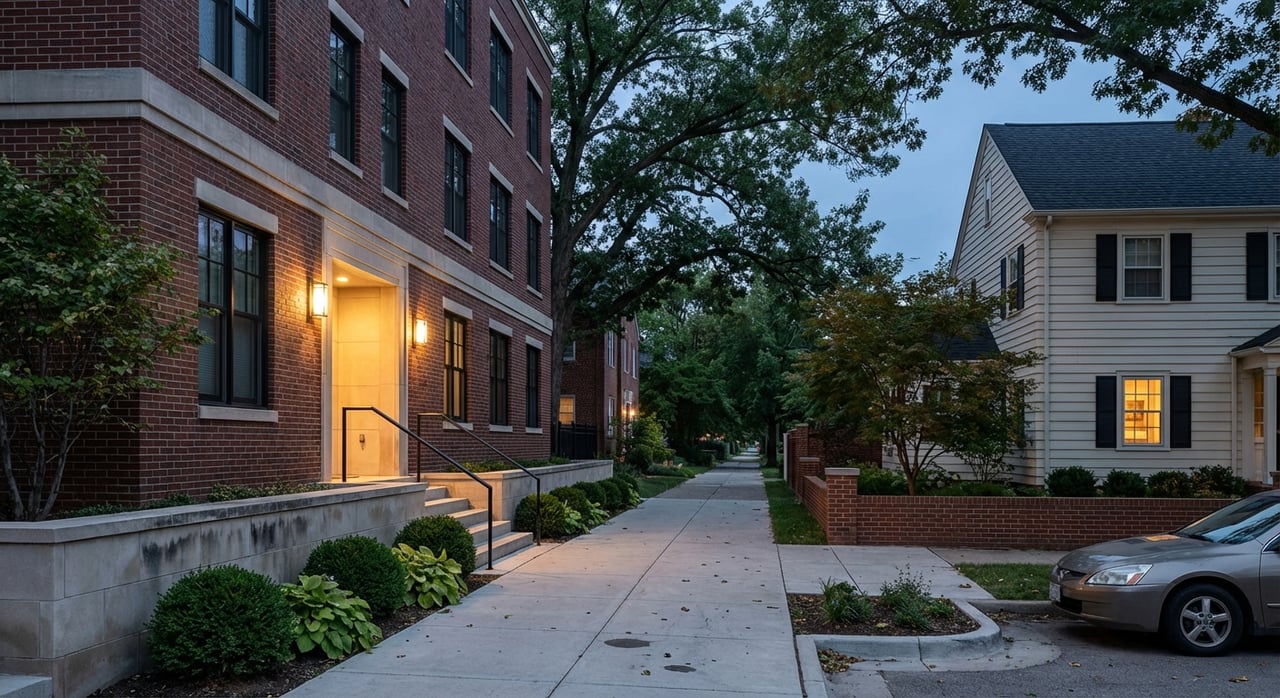
Trying to decide between a walkable downtown vibe and the extra space of the suburbs? You’re not alone. Your daily routine, commute, and lifestyle goals all play a role in the best fit for you. In this guide, you’ll compare commute times, home types, day-to-day amenities, green space, and school considerations across Downtown Omaha and nearby suburbs like Elkhorn, Bennington, and Papillion. Let’s dive in.
If your office is in the Old Market, Capitol District, or Midtown, living nearby can turn your commute into a quick walk or bike ride. The core also offers better transit coverage, including the ORBT bus rapid transit line along Dodge Street, which connects the Old Market to Midtown and Westroads with frequent service and transit priority features. You can learn more about ORBT’s route and frequency on the Metro ORBT page. For many downtown residents, errands like dining, events, and parks are reachable without a car, especially in the Old Market’s walkable core, as shown on neighborhood pages highlighting walkability.
Driving is the primary mode in Elkhorn, Bennington, and Papillion. In typical conditions, many suburb-to-downtown drives run 20–30 minutes, with extra time during peak periods or construction. City and suburb averages are fairly close: Omaha’s mean travel time is about 19.6 minutes, and Papillion’s is about 21.5 minutes according to Census QuickFacts. If you split your week between locations, you’ll likely find suburban driving more predictable, while downtown gives you options to skip the car for core trips.
Downtown Omaha features a higher share of apartments and condos, including mid-rise and mixed-use developments. A good example is Midtown Crossing at Turner Park, which blends residential buildings with retail, dining, and adjacent park space. Expect smaller private footprints, limited yard space, and more building amenities. If you value location and convenience over square footage, downtown’s housing mix can be a strong match.
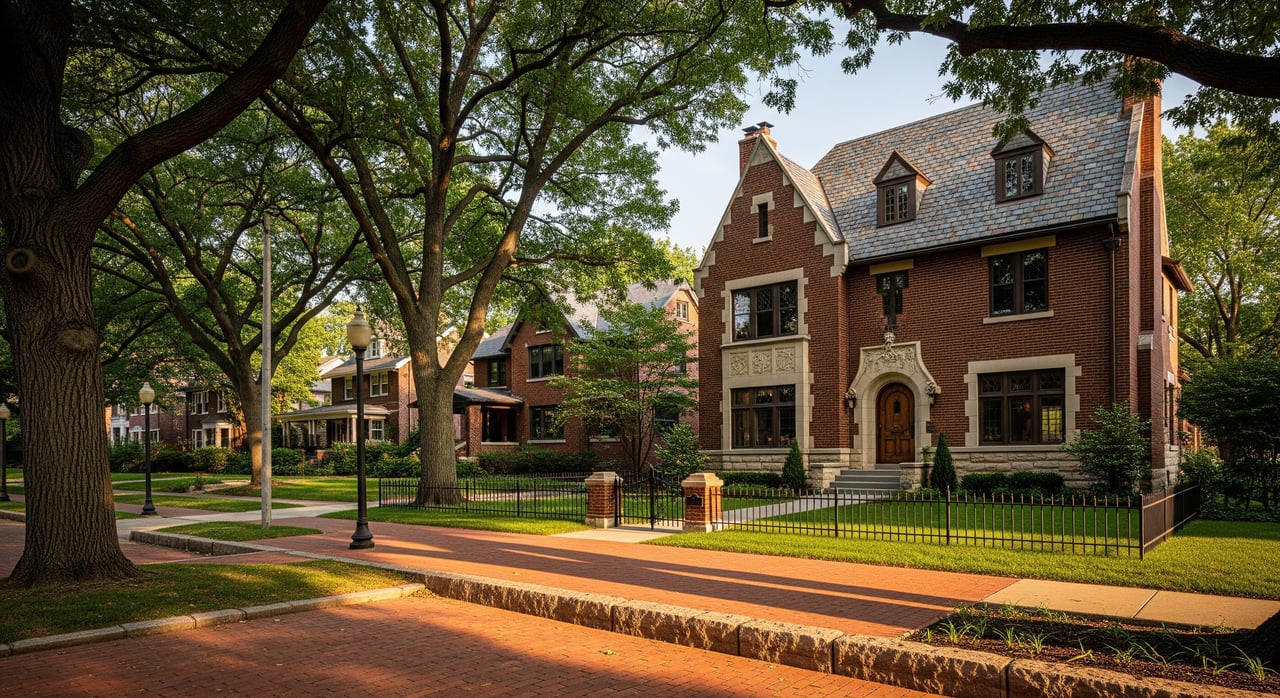
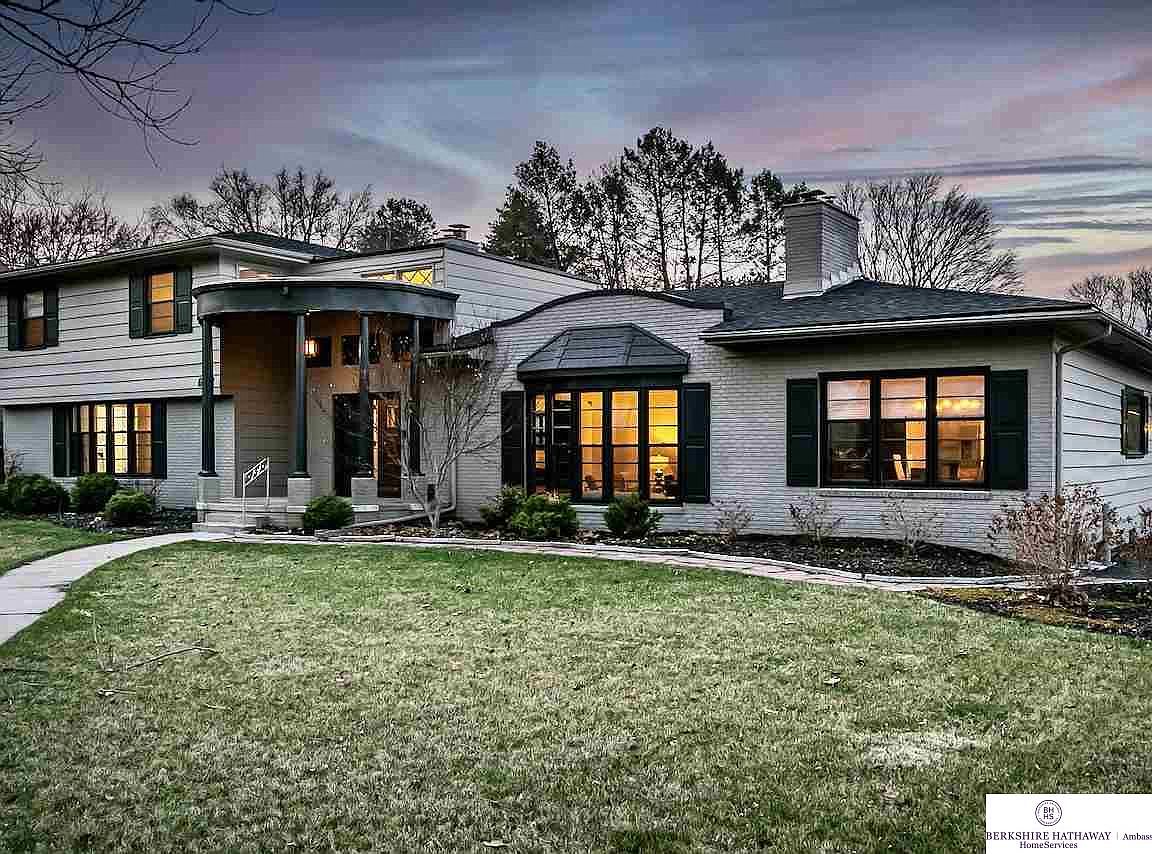
Elkhorn, Bennington, and Papillion lean toward single-family neighborhoods with larger lots and more interior space. Many areas include newer builds, multi-car garages, and flexible layouts for home offices or play areas. Yards, patios, and decks are common, which can be a plus if you enjoy outdoor projects or have hobbies that need elbow room. Owner-occupancy is also more common in many suburbs, which often shapes neighborhood rhythm and services.
Downtown concentrates restaurants, bars, hotels, and cultural venues in a compact area. The Old Market anchors the scene with dozens of spots in easy walking distance, and nearby districts host events throughout the year. To sample the density of options in the core, browse Downtown Omaha restaurant listings. If you like live shows, post-dinner strolls, or late-night bites, living downtown can make these activities part of your daily flow.
Downtown’s green space has grown with The RiverFront, which unites Gene Leahy Mall, Heartland of America Park, and Lewis & Clark Landing into one connected park network. The project reopened in phases, adding a riverwalk, playgrounds, event lawns, and frequent programming. Explore amenities and timelines on The RiverFront’s official site. In the suburbs, you’ll find larger footprints for recreation, like Papillion’s Walnut Creek Recreation Area, with a sizable lake and trails that invite biking, fishing, and picnics. See a location overview for Walnut Creek Recreation Area to get a sense of its scale.
School districts are a key factor for many households. Papillion is served by Papillion–La Vista Public Schools, and Elkhorn and Bennington each have their own districts. For neutral, third-party district overviews, you can review Papillion–La Vista Public Schools on GreatSchools, then confirm exact boundaries for any address. Because boundaries and enrollment policies can change, always verify the assigned schools before you write an offer.
Downtown generally trades private space for access. You may gain walkability and time back in your day, but with less square footage and limited private outdoor areas. The suburbs usually deliver more interior space and yard for the price, along with a higher owner-occupancy profile. For example, Papillion’s owner-occupied housing rate is about 73.9 percent compared with Omaha citywide around 57 percent, per Census QuickFacts. As always, compare current, address-level data with your agent to match your budget to the right neighborhoods.
Choosing between Downtown Omaha and the suburbs is a lifestyle decision first, then a market decision. You deserve data, on-the-ground tours, and a clear plan to prepare and present your current home if you’re selling. Our team pairs buyer guidance with a seller transformation program that includes in-house staging, professional photography, and content-driven marketing to help you move confidently. When you are ready, connect with The Agency Real Estate Group to compare neighborhoods, line up tours, and explore our listing transformation services.
Stay up to date on the latest real estate trends.
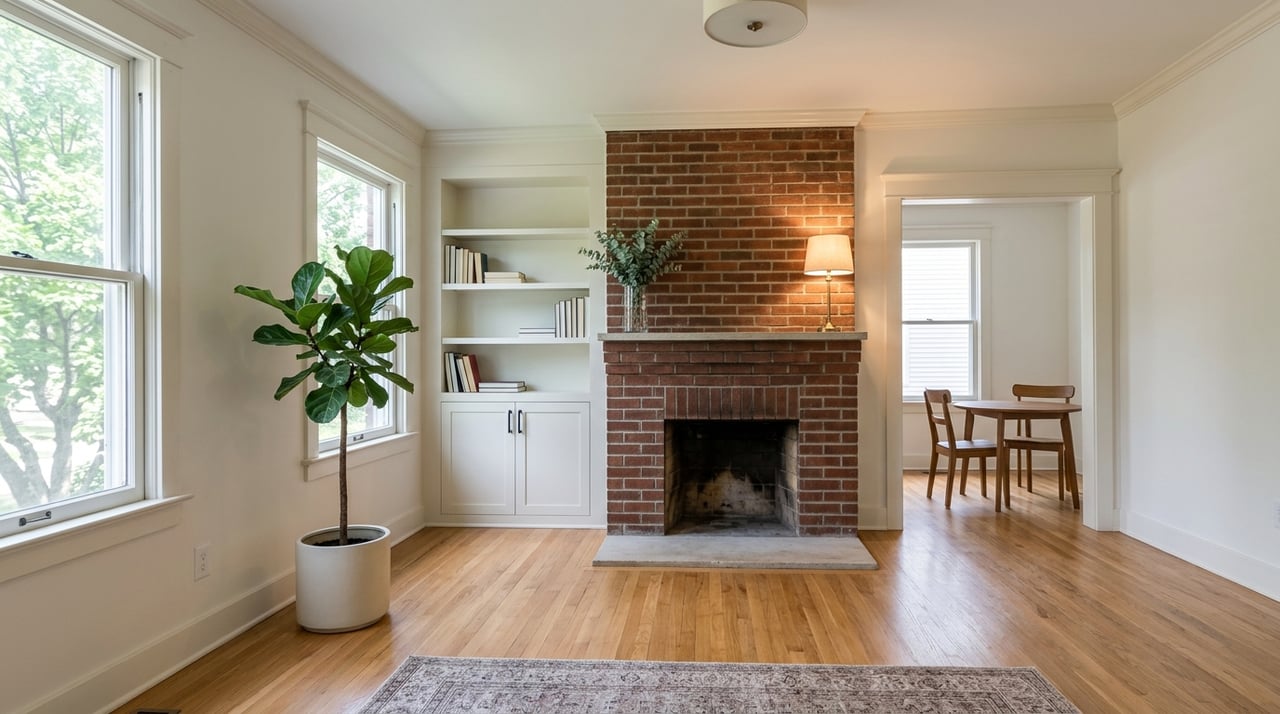
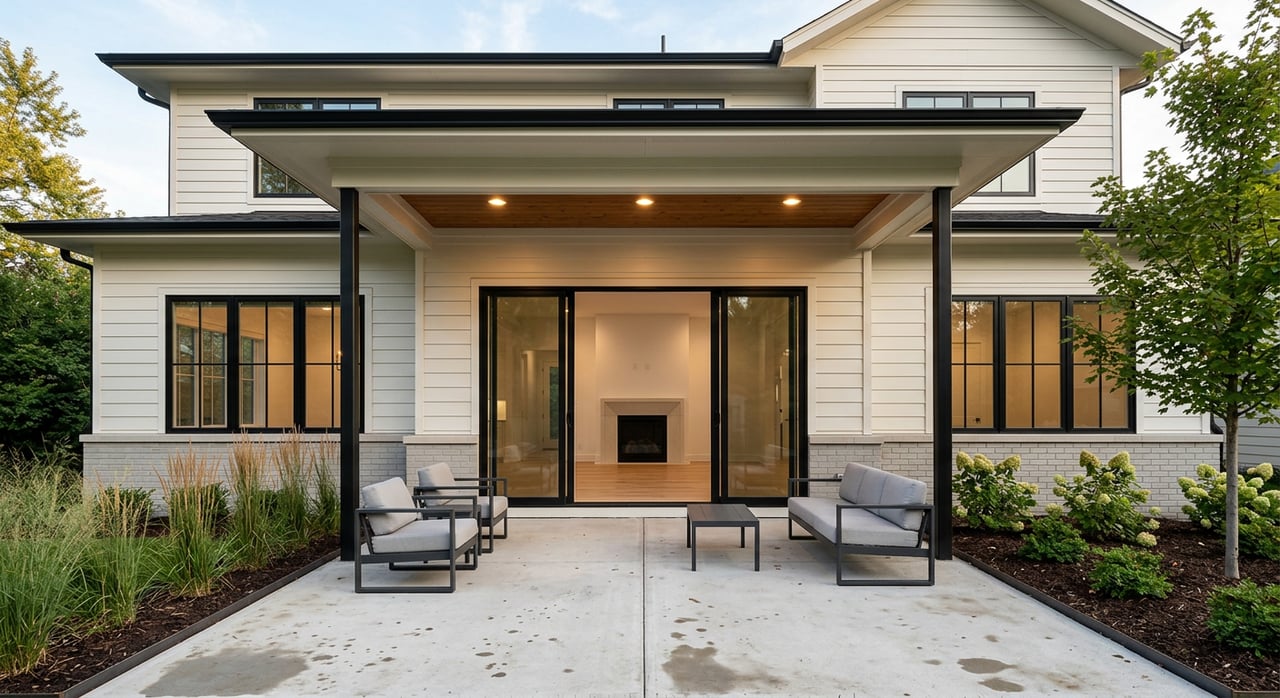
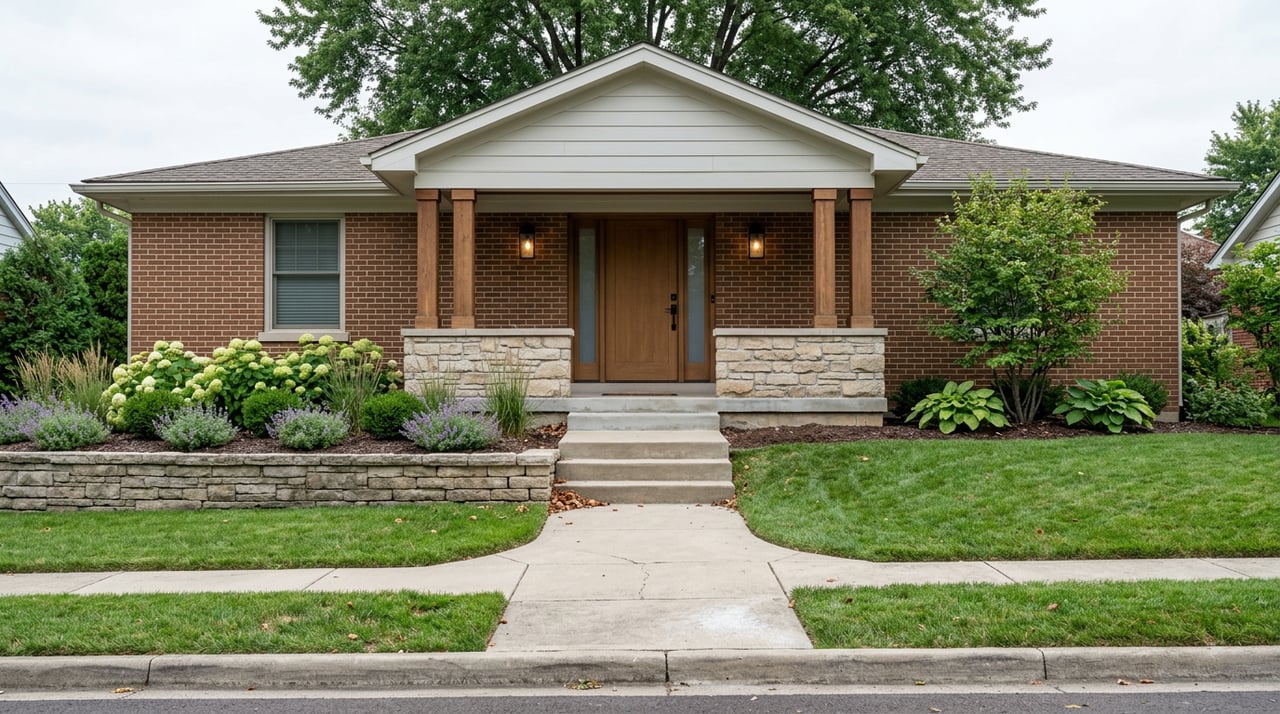
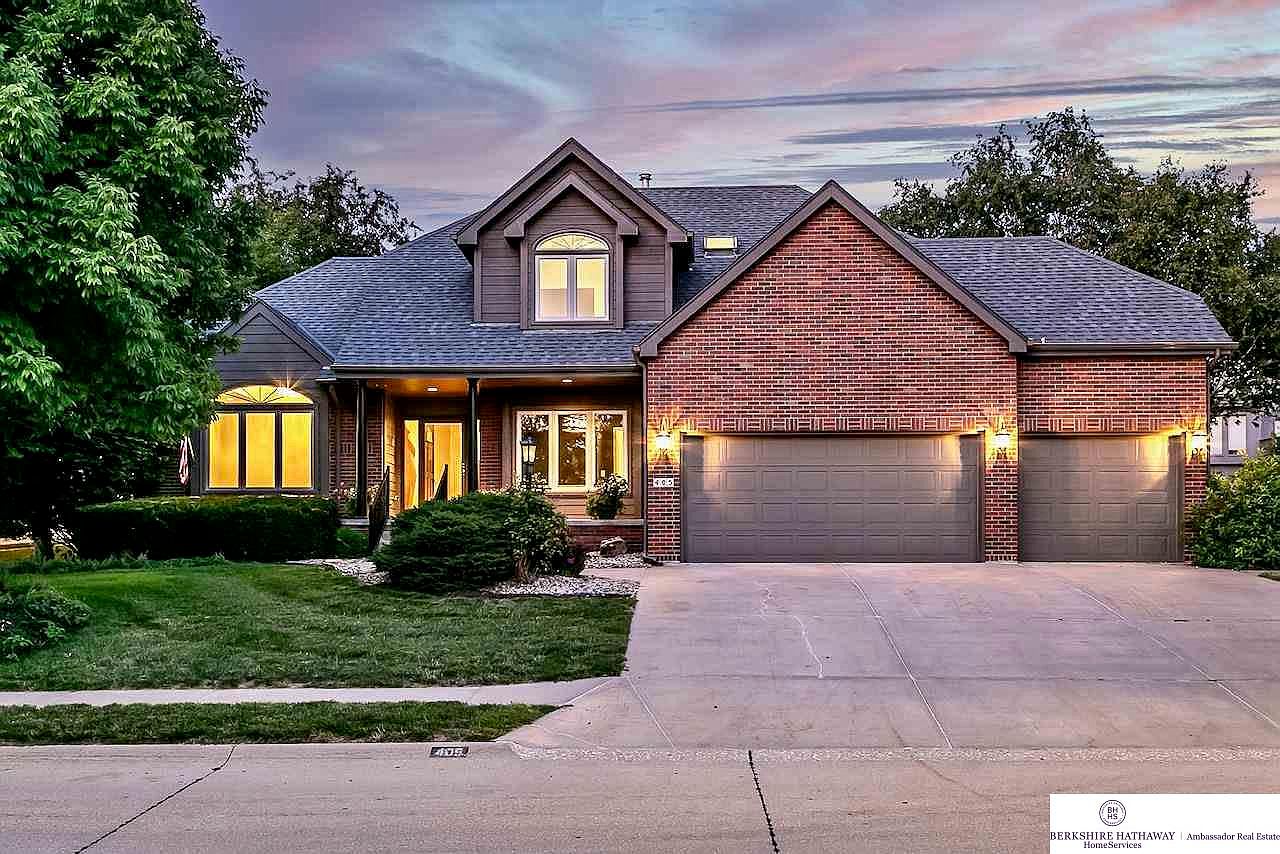
The Agency updated the home and staged it to sell for top dollar.
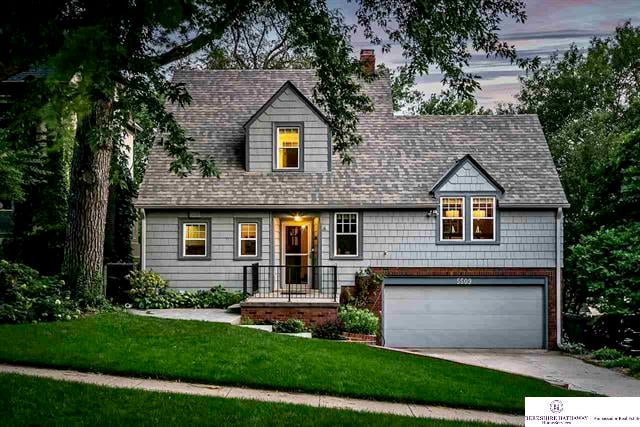
With the help of the Agency Group, the sellers accepted an offer for $90k more than they purchased it for two years prior.
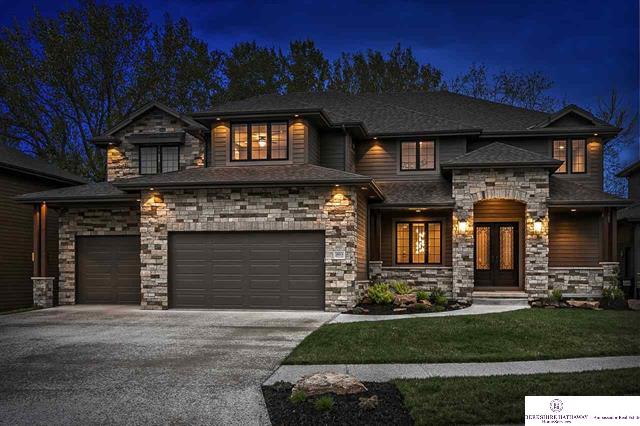
By adding staging and new lighting, the home was sold with multiple offers at 6K+ asking.
Previously listed with two other agents over a two year period without selling.
We specialize in transforming homes with high end staging & photography. List with us today!