In A Benson Bungalow, The Real Risk Isn't Age. It's Who Finds Out First.
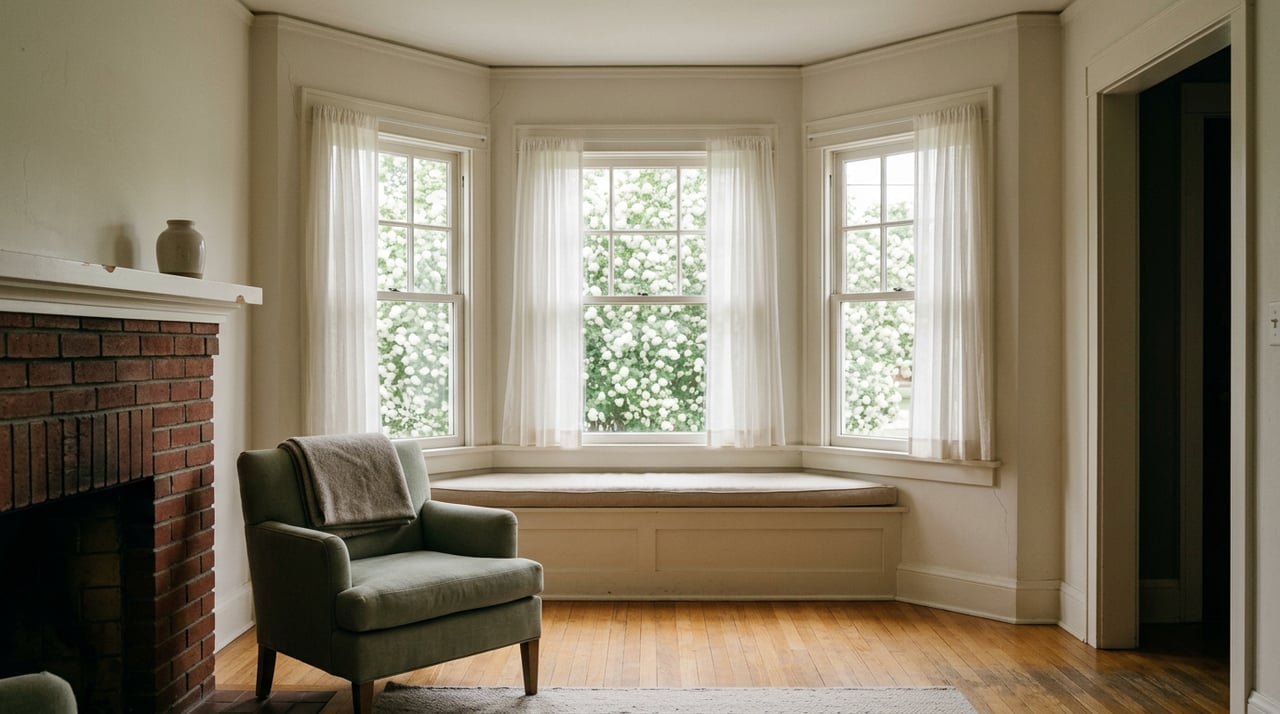
Lori and Jack Hubbell's house on North 58th Street went up in 1923, a brick Craftsman with a garage that was oversized for its era and a courtyard Lori calls a private park. It sits in Bensonhurst, the pocket of Benson platted more than a century ago, and it was one of the stops on a Restoration Exchange Omaha preservation tour built around the idea that these houses are, as Lori put it, still affordable for people who want to live in them rather than just visit them.
That is the version of an old Benson house that gets photographed. There is another version that only shows up on a home inspection report, and it has nothing to do with charm. It has to do with sewer pipe material, breaker panels, and a Nebraska statute that most sellers have never read. The gap between those two versions is where deals in this neighborhood actually get made or lost, and it is not the house's age that decides which way it goes. It is the order in which information surfaces.
Benson's housing stock is a real reflection of its history. The town was platted in 1887 by Erastus Benson and annexed into Omaha in 1917, and houses like the Hubbells' 1923 Craftsman went up in the decades right around that annexation, the same years that filled in the blocks around Maple Street. The Benson Commercial Historic District, centered on Maple Street, was added to the National Register of Historic Places in 2020, which is a preservation designation, not a building code. It says nothing about what is behind the plaster.
What tends to be behind the plaster, according to inspection guidance specific to this part of Omaha, is a predictable set of findings. Common issues flagged in Dundee, Benson, and the mid-century Westside neighborhoods include double-tapped breakers, missing bonding jumpers, basement remodel wiring done without permits, and bootleg grounds at receptacles, the kind of accumulated DIY history you would expect in housing stock that has had multiple owners and multiple decades of renovation trends pass through it.
The other predictable finding sits underground. A house built in the era Benson was filling in ran its sewer lateral in whatever material was standard at the time, typically cast iron or clay tile, and that pipe is now old enough that its condition is unknown until someone actually looks. A sewer scope, a camera run through the lateral line, is the only reliable way to see what shape that pipe is in before a backup forces the issue. Inspection providers serving the Omaha area, including crews that also cover Bennington, Elkhorn, and Gretna, generally recommend a scope every three to five years and put the average cost of repairing undetected sewer line damage at around $7,500.
None of this means a 100-year-old Benson house is a bad bet. It means the systems inside it are old enough that their failure is a matter of when, not if, and the only real choice a seller has is whether they are the one who discovers it first.
Radon is not a Benson-specific issue, but it lands differently in a house with an original foundation. Douglas County sits in the EPA's Radon Zone 1, meaning the county's predicted average indoor screening level exceeds 4 picocuries per liter, the federal action threshold. That classification does not vary by neighborhood or house age. What varies is how often the conversation about it happens, and in a county with this designation, most buyers request a test regardless of what they are buying.
Current cost ranges for the Omaha market put a short-term radon test at roughly $150 to $250 and mitigation, when needed, at $800 to $2,500 depending on foundation type and severity. For a Benson seller, the practical takeaway is that radon is going to come up no matter what. The only question is whether the number on the test is a surprise on day nine of a ten-day contingency window or a known quantity you priced in before you ever listed.
Here is the part of the process that decides more outcomes than the sewer line or the radon reading combined. Nebraska has required a written seller disclosure statement since 1994, codified in state statute, and it applies to essentially every sale of residential property with one to four units. Sellers frequently assume that listing a home "as is" removes this obligation. It does not. The statute requires the seller to disclose known conditions regardless of how the listing is marketed, and the disclosure form itself states plainly that it is not a substitute for the buyer's own inspection or warranty.
The consequence for getting this wrong is not abstract. If a conveyance happens without a compliant disclosure, or if the seller knowingly omits something they were aware of, the buyer has a legal cause of action and can recover actual damages, court costs, and attorney's fees. That claim has to be filed within one year of the buyer taking possession, which means a sewer lateral that fails ten months after closing is still squarely inside the window if the seller knew about a prior issue and did not say so. The disclosure statement is not a formality you sign at the closing table. It is the document that determines whether a known problem becomes your buyer's cost to manage or your liability to answer for a year later.
Given all of that, the practical order of operations for a Benson seller looks like this:
The mechanism here is simple. Every one of these findings is going to surface eventually, either because you commission it or because a buyer's inspector does. The only thing a seller actually controls is the order, and that order determines whether the conversation happens on your terms or in the middle of a ten-day contingency clock with a nervous buyer on the other end.
| Issue common to Benson's era | Typical local finding | Rough cost if flagged |
|---|---|---|
| Sewer lateral (original construction) | Cast-iron or clay pipe nearing end of service life | Average $7,500 for undetected damage repair |
| Electrical panel and wiring | Double-tapped breakers, unpermitted basement circuits, bootleg grounds | Varies by scope, from a panel correction to a partial rewire |
| Radon | Douglas County EPA Zone 1, average screening above 4 pCi/L | $150-$250 to test, $800-$2,500 to mitigate |
This is precisely where a pre-listing walkthrough earns its keep. When our team goes through a Benson house before it hits the market, we are looking at the same mechanical questions an inspector will ask alongside the cosmetic ones that staging and presentation solve. Seeing both at once, in one visit, means repair decisions and staging decisions get made together instead of in two disconnected passes, and it means the seller walks into disclosure with answers instead of guesses.
Does listing my house "as is" mean I don't have to fix anything? It means you are not obligated to make repairs a buyer requests after inspection. It does not exempt you from disclosing known conditions on the Seller Property Condition Disclosure Statement, which Nebraska law requires regardless of how the property is marketed.
Is a sewer scope legally required to sell in Omaha? No. It is not mandated by ordinance, but given how common aging lateral lines are in this part of the city, most experienced agents treat a scope as a practical necessity rather than an optional extra.
Does the Benson Commercial Historic District designation limit what I can repair before selling? The National Register designation for the Maple Street corridor is a preservation recognition, not a building code restriction on individual private homes outside that specific district boundary. Most residential repairs proceed under standard city permitting rather than historic-district review.
A hundred-year-old house in Benson is not a liability. It is a known set of systems with a known set of failure points, all of which are inspectable before you ever put a sign in the yard. If you are thinking about listing a Benson home this year and want a pre-listing walkthrough that looks at both the mechanicals and the presentation at once, The Agency Real Estate Group offers a Request a Free Staging Consultation, and it is the same visit where we start building the order that protects you.
Stay up to date on the latest real estate trends.
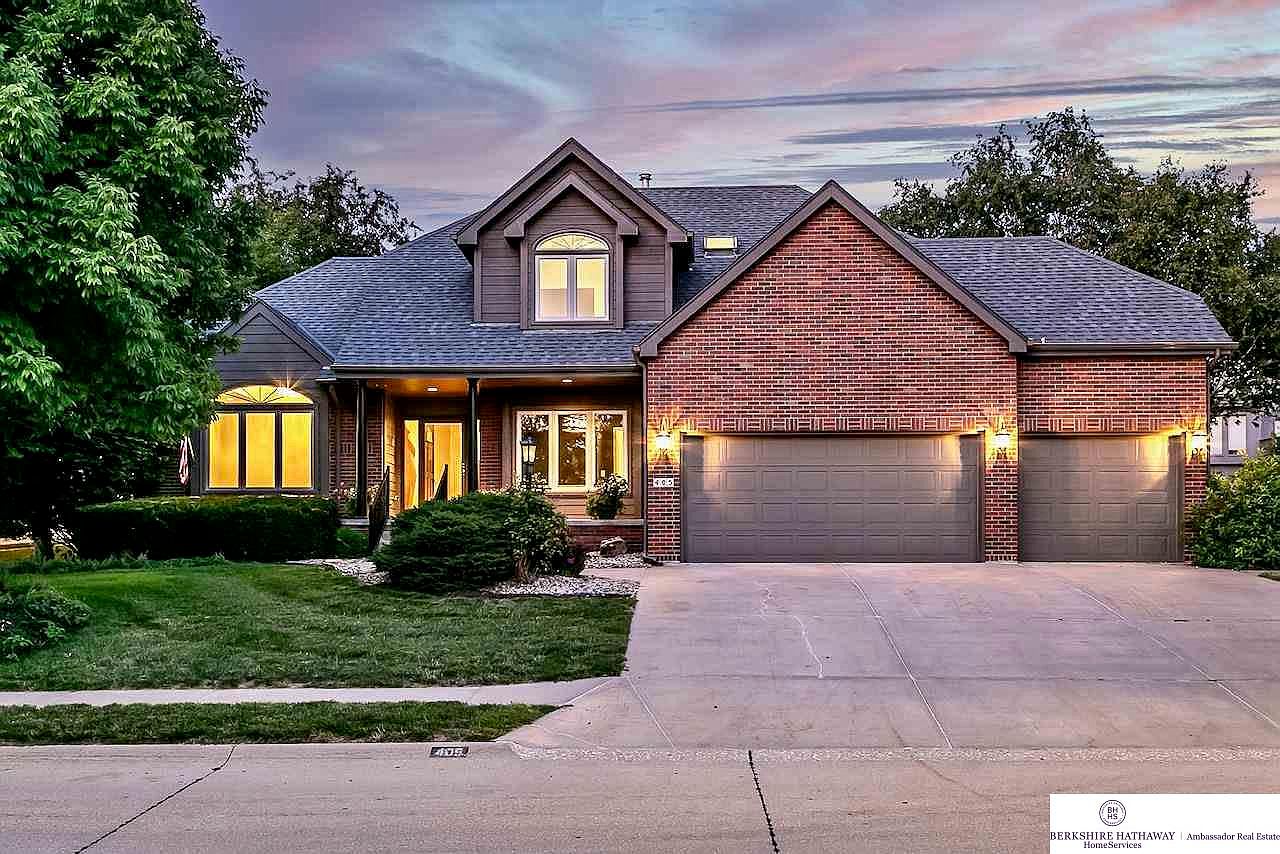
The Agency updated the home and staged it to sell for top dollar.
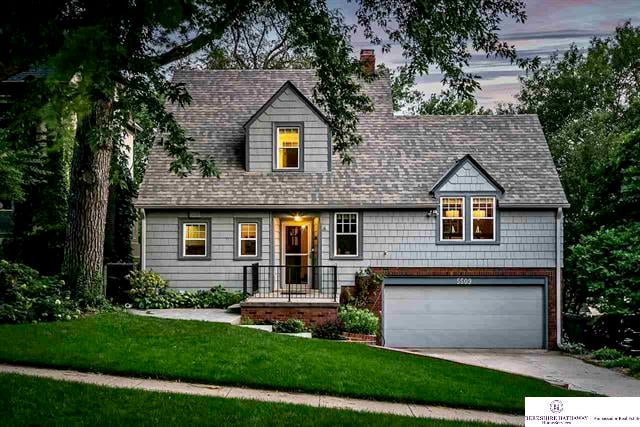
With the help of the Agency Group, the sellers accepted an offer for $90k more than they purchased it for two years prior.
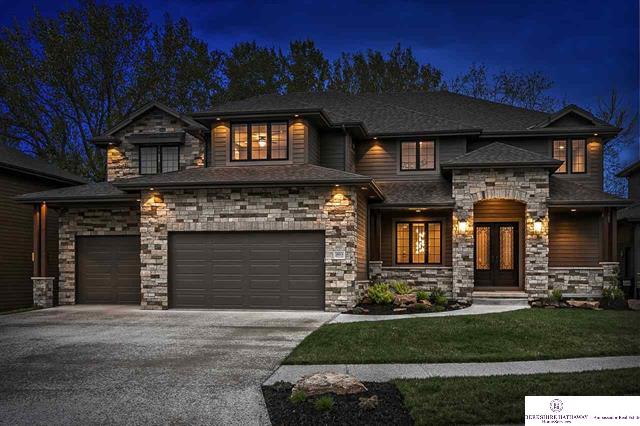
By adding staging and new lighting, the home was sold with multiple offers at 6K+ asking.
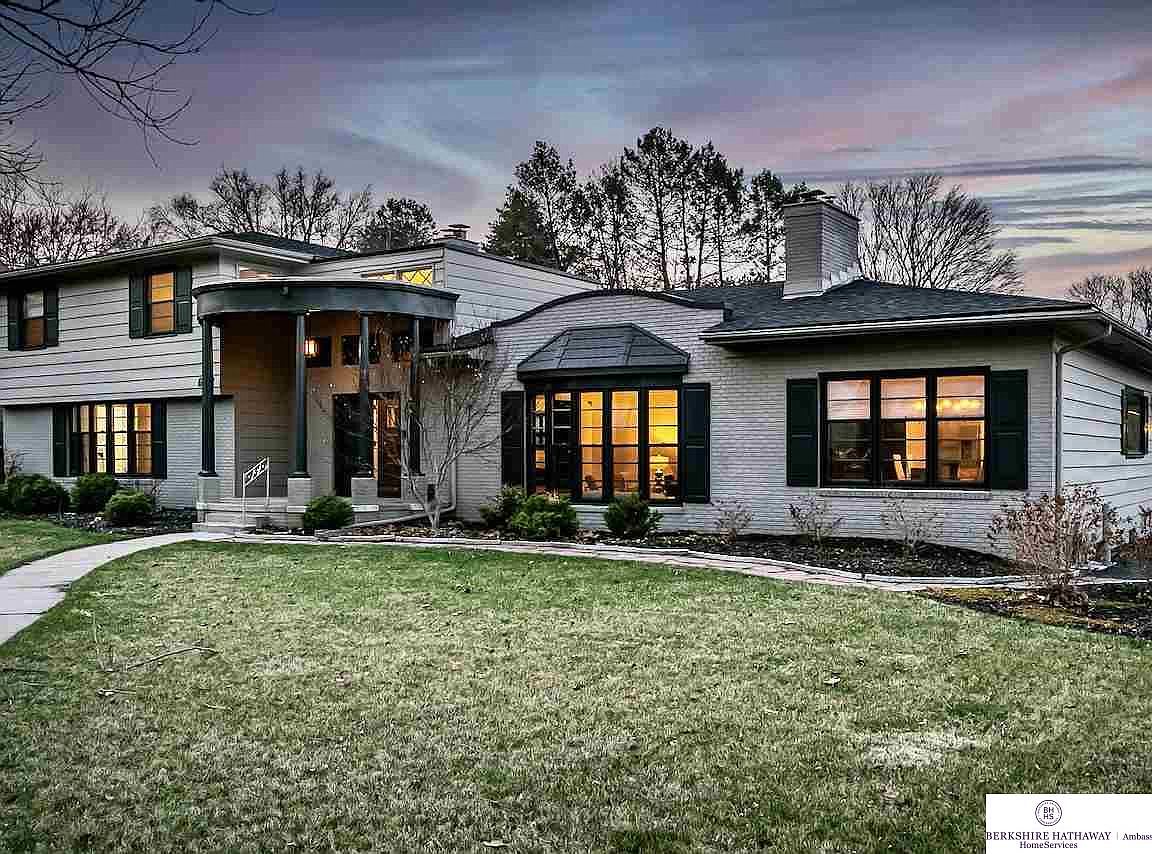
Previously listed with two other agents over a two year period without selling.
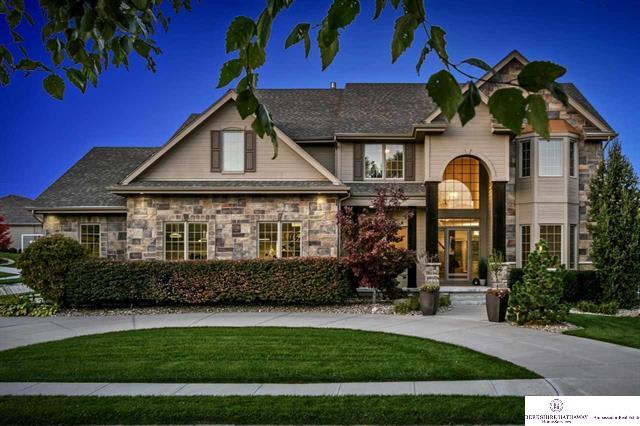
Previously listed by another top agent. For being in Elkhorn, at 10 years old.
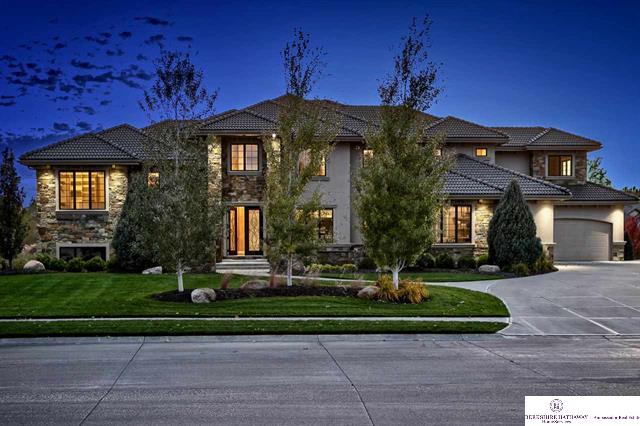
Although the home was 3 years young, The Agency Group utilized staging.
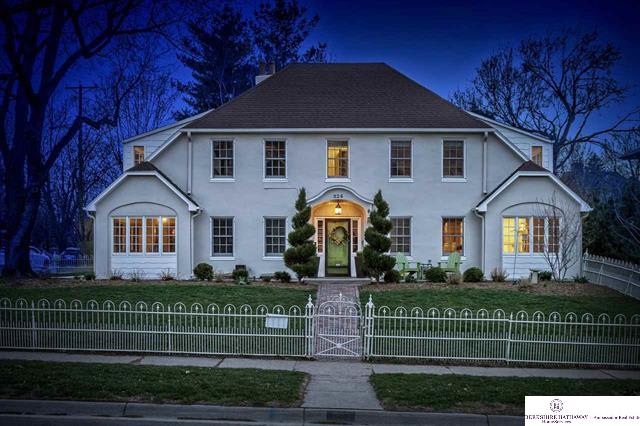
With the owners making various updates throughout their course of ownership.
We specialize in transforming homes with high end staging & photography. List with us today!