Downtown Omaha Is Running on Two Different Clocks This Fall
On August 23, the Juice Stop at 510 South 12th Street closes for good. Sometime in October, a boba and banh mi shop called T101 opens in the same storefront, run by local owner Thanh Huynh, who already operates Yum Chaa at 74th and Pacific. The gap between those two dates is measured in weeks.
Ten minutes north, at 1201 Nicholas Street, a different kind of change is underway. The Millwork Hotel, a $57 million project inside the historic Ashton Building footprint, is not expected to open until October 2027. A block over, a city-financed 650-stall parking garage is still in planning. East of downtown, grading crews just started moving dirt on a 52,000-square-foot public market that will not welcome its first vendor until 2028.
Downtown Omaha isn't one neighborhood changing at one speed. It's two districts running on two different clocks, close enough to walk between in the time it takes a pot of coffee to brew. If you live here, knowing which clock a piece of news is on tells you whether to mark your calendar or just file it away.
The Old Market has always worked this way. Its skeleton barely moves. V. Mertz and Trini's Mexican Restaurant opened when the Old Market Passageway itself opened in 1977, and both are still serving today, nearly fifty years later, in the same brick-lined alley between the E. Meyer Building and the Poppleton Block. Godega still occupies the old Market Cafe corner. Hollywood Candy is still Hollywood Candy.
What moves fast is the storefront layer sitting on top of that skeleton. A juice counter closes on a Sunday and a boba and ramen shop is measuring for renovation permits before the month is out. That's not disruption. That's the district's actual operating rhythm: a handful of anchor tenants that don't change for decades, wrapped around small retail spaces that turn over in a season or two. If you've lived downtown for any stretch, you've watched a storefront flip two or three times without the neighborhood itself feeling any different.
That pattern makes the one exception worth noticing. A vacant lot southeast of 10th and Harney, right in the Old Market, has had construction barriers up around it for months. That's the site of a proposed Drury Plaza Hotel, an 8-story, 210-room, $55 million project. In June, the Omaha Planning Board voted to deny the developer's request for Tax Increment Financing, the subsidy that normally makes or breaks a project this size in Omaha. Drury filed for a site work permit anyway. In a district built on six-week storefront turns, a $55 million hotel that keeps moving without the subsidy it asked for is the one project running on a different clock than its neighbors, and it's worth watching to see whether it actually breaks ground.
Walk north past Charles Schwab Field and the pace changes completely. Millwork Commons, the roughly 50-acre district built around the restored Ashton Building at 13th and Nicholas, isn't filling small vacancies. It's laying multi-year foundations.
| Old Market | Millwork Commons | |
|---|---|---|
| Typical project size | Single storefront, one lease | Multi-building, TIF-financed |
| Recent example | T101 replacing Juice Stop | The Frame apartments, $44 million |
| Timeline from news to opening | Weeks | Years |
| What's coming | A boba shop in October | A hotel in October 2027 |
The Millwork Hotel is the clearest example: 144 guest rooms, a rooftop bar, and a signature restaurant, built into a warehouse that's stood since the district's industrial days, with developers targeting an October 2027 opening. Nearby, the city is planning a 650-stall parking garage with roughly 10,000 square feet of ground-floor retail, bounded by 11th, 12th, and Nicholas Streets and Millwork Avenue, priced between $25 million and $30 million. West of the Ashton Building, an apartment project called The Frame is going up at $44 million, with 146 units split between one- and two-bedroom floor plans, its own 10,000-square-foot retail bay, and 65 covered parking stalls.
The businesses moving in fit the same long-view pattern. Marble Technologies, an AI startup building tools for the meatpacking industry, relocated from Lincoln to set up inside the district rather than open a single storefront. Archetype Coffee opened its third Omaha location inside the historic Ashton, a small addition that PGSA's Jeff Slobotski frames as central to the district's identity: "You won't necessarily find a Starbucks, but you'll find Archetype Coffee." Everything here is being built to last, not to lease and re-lease.
If Millwork Commons runs on a multi-year calendar, the project just east of the Brickline building runs on the slowest clock downtown has right now. Grading and dirt work started in early August on the southeast corner of 8th and Farnam, where a nonprofit called Heritage Omaha, working with Project for Public Spaces, is building a three-story, 52,000-square-foot year-round indoor public market overlooking Heartland of America Park. It's the kind of project that will genuinely change how people use the riverfront once it's open. It just won't be open for two more years. If you see the site work this fall and start planning a weekend visit, you're planning about twenty-four months too early.
Not everything downtown moves slowly, and some of it is worth building a weekend around right now.
Living downtown means holding two different sets of expectations at once. The small stuff, a new counter-service spot, a bar that changes hands, a gallery that moves two doors down, happens on a timeline you can plan a dinner around. The big stuff, the hotels, the parking structures, the public market, moves on a calendar measured in fiscal years and financing rounds. Confusing the two leads to the wrong kind of disappointment: showing up at 8th and Farnam this October expecting a market that won't exist until 2028, or assuming the storefront churn in the Old Market means the neighborhood is losing its character when it's actually just doing what it's done since 1977.
The two clocks also explain why downtown can feel like it's changing constantly and staying exactly the same all at once. Both things are true. They're just running on different schedules, a few blocks apart.
The Agency Real Estate Group works with buyers, sellers, and investors across downtown Omaha and the surrounding neighborhoods, and we track both clocks closely, the storefront turns and the multi-year builds, because they both shape what a home or a listing downtown is worth. If you're weighing a move in either direction, request a free staging consultation and let's talk about what's actually happening on your block.
Stay up to date on the latest real estate trends.
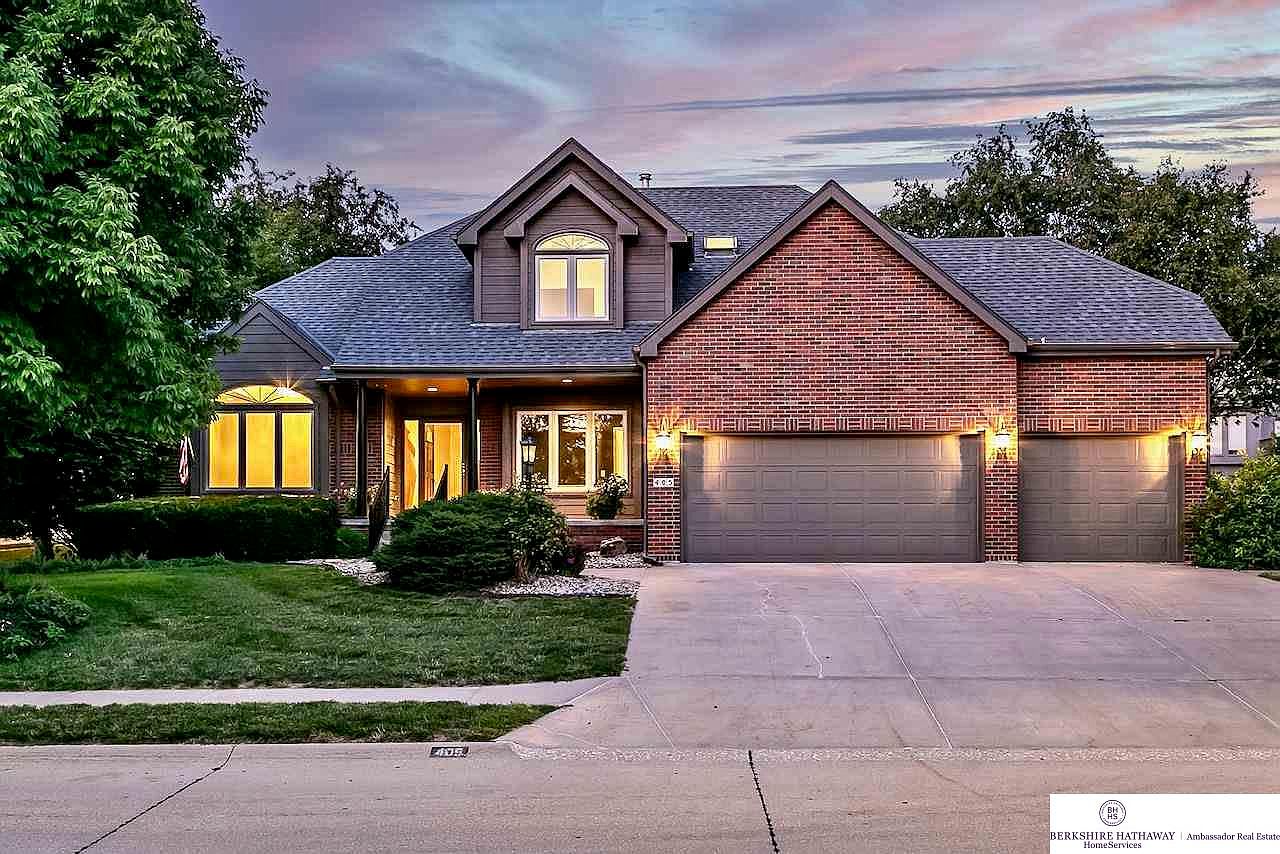
The Agency updated the home and staged it to sell for top dollar.
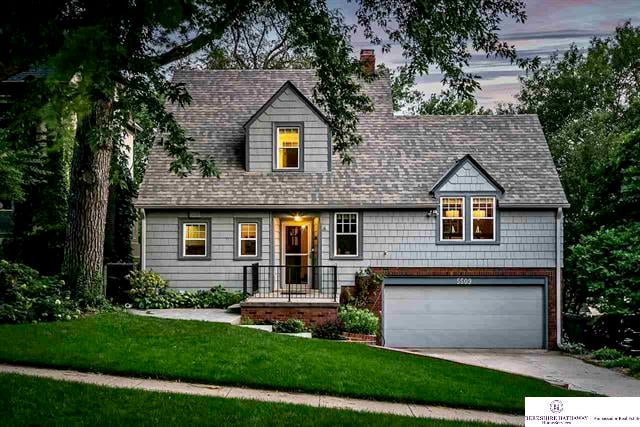
With the help of the Agency Group, the sellers accepted an offer for $90k more than they purchased it for two years prior.
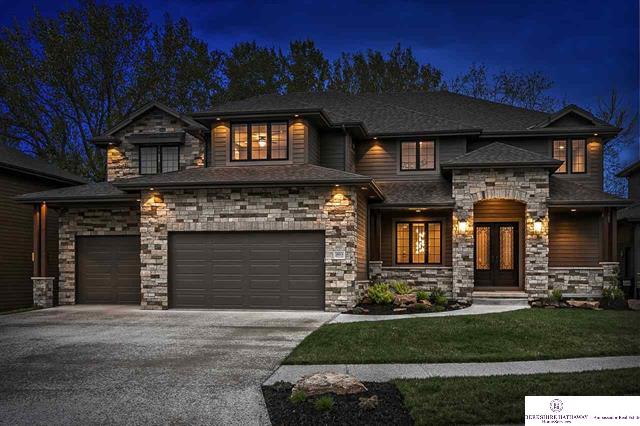
By adding staging and new lighting, the home was sold with multiple offers at 6K+ asking.
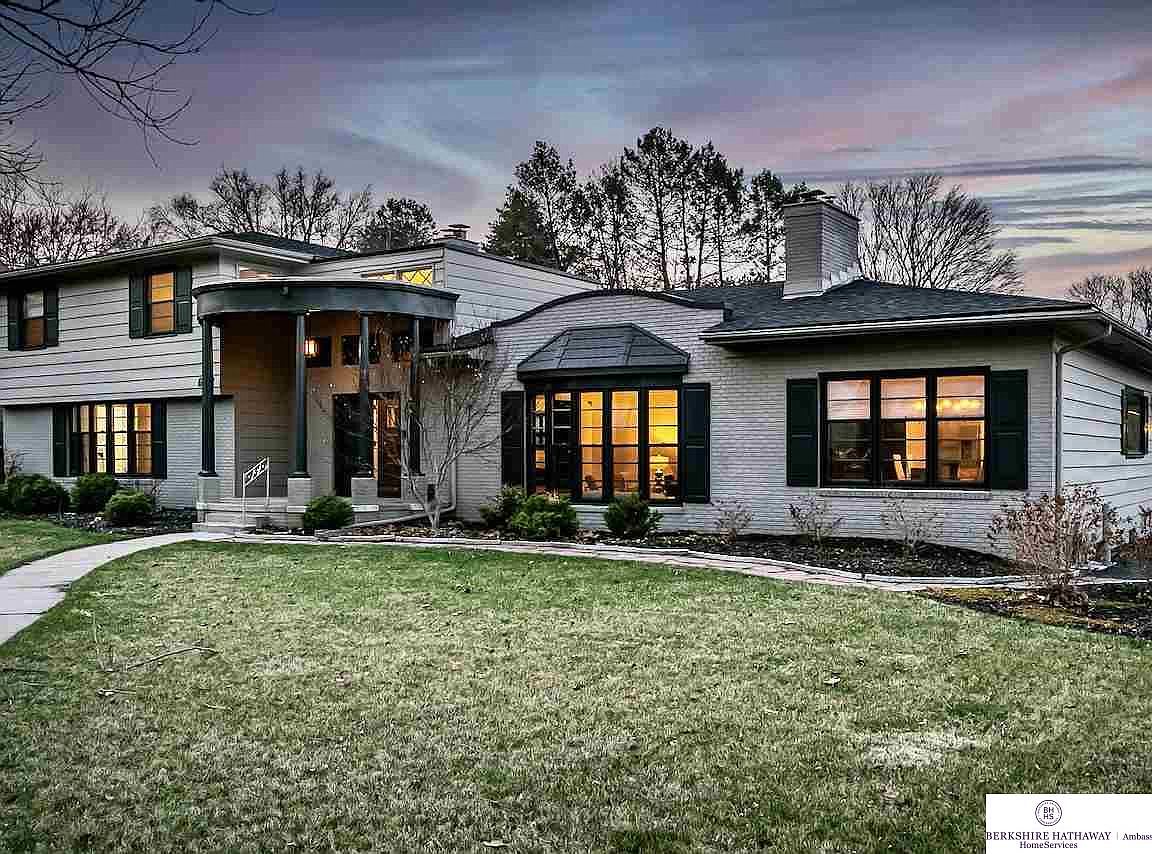
Previously listed with two other agents over a two year period without selling.
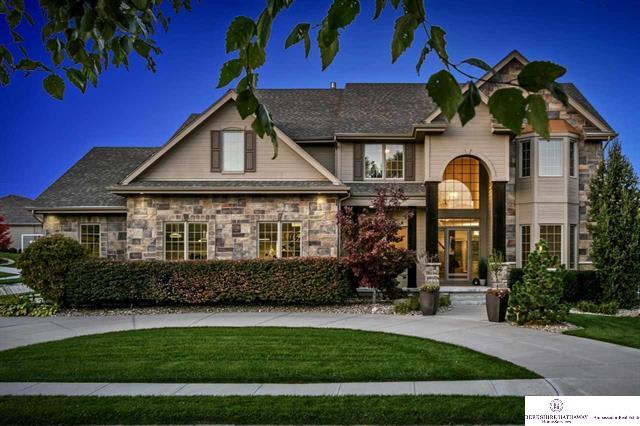
Previously listed by another top agent. For being in Elkhorn, at 10 years old.
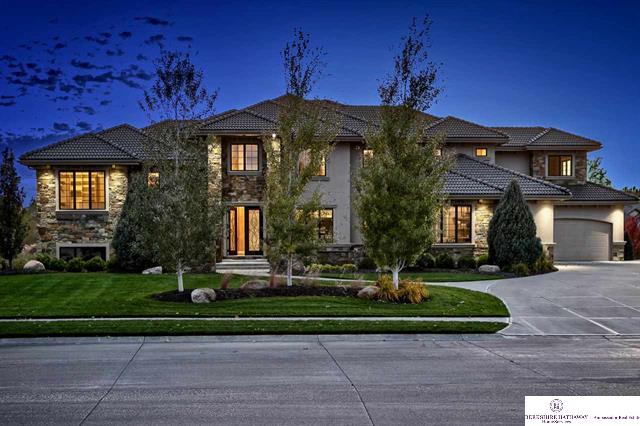
Although the home was 3 years young, The Agency Group utilized staging.
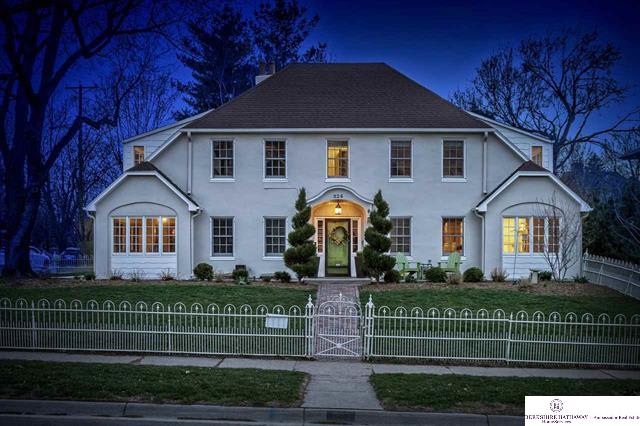
With the owners making various updates throughout their course of ownership.
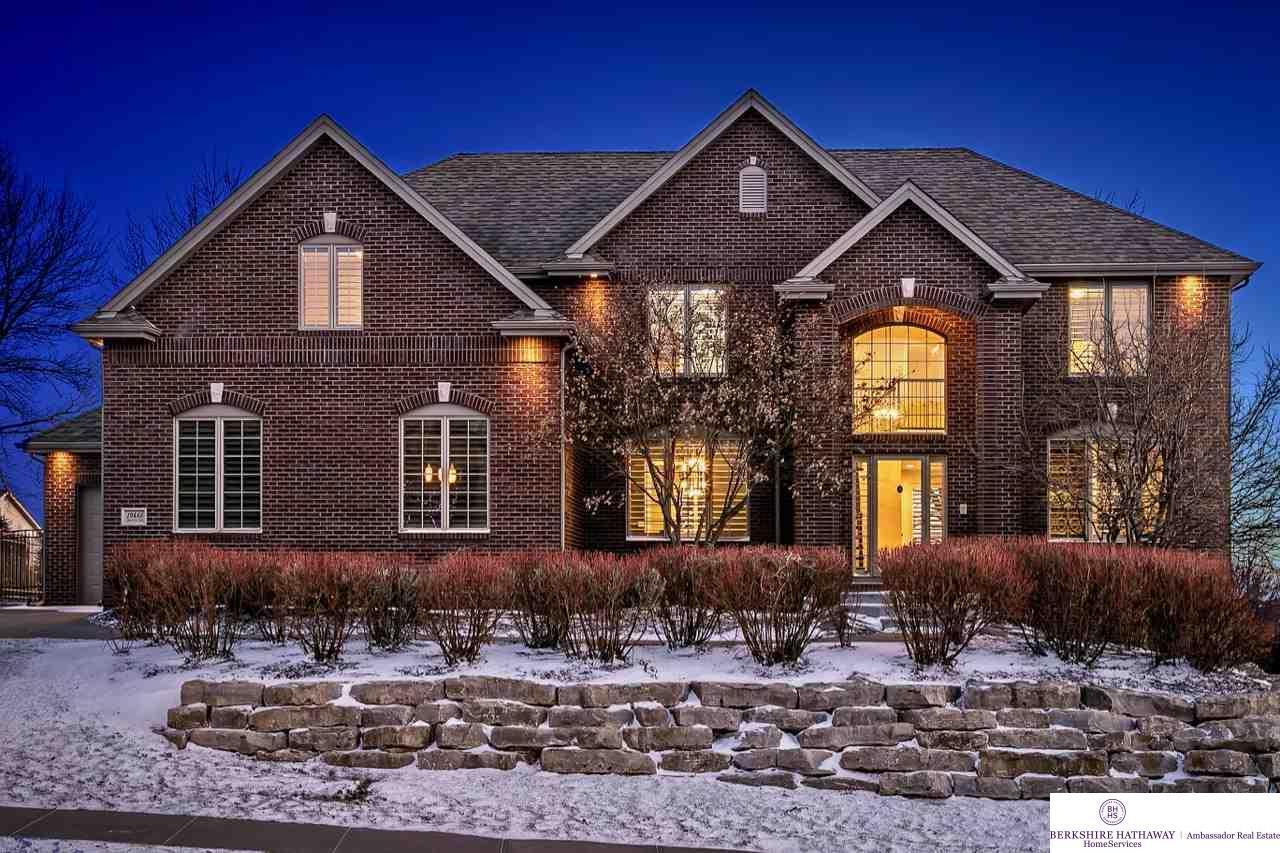
Previously listed by an agent for 1 year, there were no offers and minimal showings.
We specialize in transforming homes with high end staging & photography. List with us today!