Buying New Construction In Gretna From Lot To Closing
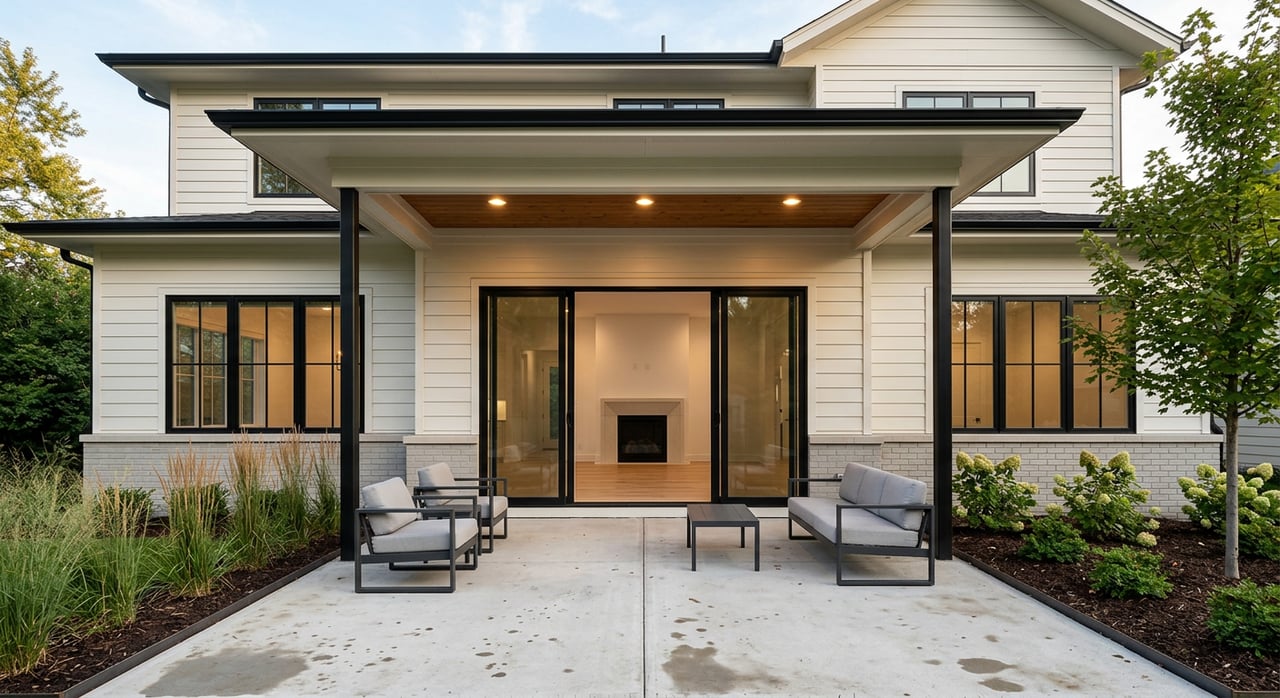
Building a new home in Gretna is exciting, but the choices can feel endless. From picking a lot to managing upgrades and navigating permits, you want a clear path and a timeline you can trust. If you’re considering a move within Sarpy County or relocating to the Omaha metro, this guide gives you a step‑by‑step roadmap tailored to Gretna so you can plan with confidence and avoid surprises. Let’s dive in.
Gretna continues to grow, supported by major investments like the 150+ acre Gretna Crossing Park and ongoing corridor planning that helps connect neighborhoods and commuters. Recent home value metrics vary by data provider, but typical values in Gretna often land in the roughly $350,000 to $420,000 range as of early 2026, depending on the source and methodology. Use current local comps and your builder’s specs to pin down a realistic total budget for your plan and lot.
You’ll find a mix of production builders, semi‑custom options, and local custom builders. In nearby subdivisions such as Gruenther Ridge, lot prices and base home prices can vary widely by size, orientation, and views. Some local builders have advertised about 8 months from permit to move‑in for certain product lines, but your final schedule will depend on design complexity, weather, material availability, and inspections.
Pricing is a combination of base home price plus any lot premium. Features like cul‑de‑sac positions, pond views, or walkout potential can add cost and affect design choices.
Look beyond the view. Ask your agent and builder to confirm:
Interview at least two or three builders. Compare standard inclusions, structural options, and design flexibility. Many builders ask you to register your buyer’s agent during your first visit, so coordinate with your agent in advance. For a helpful overview of the builder‑buyer process and expectations, see this new construction buyer guide.
When you negotiate, review these items in detail:
Ask for an itemized inclusion sheet, sample contract, and a high‑level build calendar with milestone target dates.
Most builders schedule a design appointment shortly after contract. Cabinets, counters, flooring, lighting, and appliances all add up. Many buyers invest significantly in upgrades, so set a written cap before you step into the showroom. Prioritize structural or hard‑to‑change items first, then move to finishes.
Upgrades are commonly wrapped into your final mortgage amount at closing. That spreads the cost over your loan term and increases your monthly payment. For a solid overview of how upgrades and construction costs interact with financing, review this consumer construction‑loan guide and this new‑construction buyer checklist.
If your lot is inside Gretna city limits, permits and inspections run through Building & Zoning. The City lists submittal requirements and process details, and some forms must be submitted in person. Start here: City of Gretna Building & Zoning.
Gretna’s single‑family guideline outlines a typical submittal: two full plan sets, a certified plot plan and surveyor’s certificate, electrical permit application and proof of contractor licensing and insurance, REScheck energy compliance, a completed building permit application, and a percolation test if applicable. Read the City’s current guidance carefully: Single‑Family Dwelling Guidelines.
Gretna lists a clear inspection sequence, including temporary utility pole, footing, groundwork plumbing, rough‑in electrical and pre‑connect, braced wall, rough‑in building, insulation, water and sewer tap inspection, final electrical, water final, and final building inspection. After passing final inspections, the City issues a Certificate of Occupancy.
No one should move in before water and sewer approvals and a final inspection. The guideline outlines re‑inspection fees and penalties for early occupancy. Stay aligned with your builder and the City on inspection timing and documentation. Review the full list in the Single‑Family Dwelling Guidelines.
Ask whether utilities are already stubbed to the lot and who pays for the water or sewer tap. The City utility pamphlet outlines account setup and example deposit amounts, including a typical residential water and sewer deposit. Check current details with the utility office or your builder: Utility Information Pamphlet.
Recent national summaries show average single‑family build times trending around 9 to 10 months from permit to completion. See the latest summary from NAHB’s research team here: single‑family build‑time trends.
Locally, some production builders advertise shorter timelines for certain plans. For example, a Gretna builder has marketed about 8 months from permit to move‑in for specific homes in Gruenther Ridge. Review the example here and confirm any advertised timeline with the builder for your plan and lot: local builder example.
Here is a practical planning template:
A conservative expectation for many Gretna buyers is 9 to 12 months from permit to move‑in unless your builder documents a faster path for your specific build.
Even with municipal inspections and builder quality checks, you benefit from a third‑party inspector acting on your behalf. Many buyers schedule a pre‑drywall inspection and a final inspection before closing. See a helpful overview of buyer‑side inspections and walkthrough tips in this new construction process guide.
Before closing, you and the builder complete a final walkthrough to document any defects or incomplete items. Create a written punch list, note locations, and take photos. Your contract should outline timelines for punch‑list completion and how warranty items are handled after move‑in. Keep copies of all agreements and walk the home again right before closing if possible.
Your builder coordinates final inspections with the City. No one should occupy the home until water and sewer approvals are complete and the City issues the Certificate of Occupancy. Gretna’s guidance outlines the rules and related fees in the Single‑Family Dwelling Guidelines.
Most Gretna buyers use one of two structures:
Lenders release funds in draws tied to milestones like foundation, framing, mechanicals, and finishes. Expect draw inspections and related fees. Get pre‑qualified early, compare offers, and check whether any builder incentives are tied to a preferred lender. For a clear consumer‑level explainer, review this construction loan guide.
Use these quick rules of thumb to stay on track:
Your lot’s distance to I‑80 and major corridors affects travel time, especially at peak hours. Gretna and regional partners are working from corridor planning frameworks that include grade‑separated crossings, roundabouts, and trail connections to improve travel patterns over time, especially around the Crossings area. Ask your agent about current and planned improvements when you weigh commute tradeoffs.
Gretna’s parks are a standout amenity. The 150+ acre Gretna Crossing Park features sports fields, trails, an amphitheater, aquatic attractions, and the Gretna Crossing YMCA. Many new subdivisions highlight proximity to the park and trail access.
For schools, Gretna Public Schools serves the area and maintains boundary maps and registration resources. Because school boundaries can change as neighborhoods build out, always verify the specific lot’s assignment with Gretna Public Schools.
Use this as a quick reference during selection and contract:
Ready to build smarter in Gretna? Partner with a local team that understands lots, builders, and timelines. Reach out to The Agency Real Estate Group to talk through your goals and create a plan that fits your budget and schedule.
Stay up to date on the latest real estate trends.
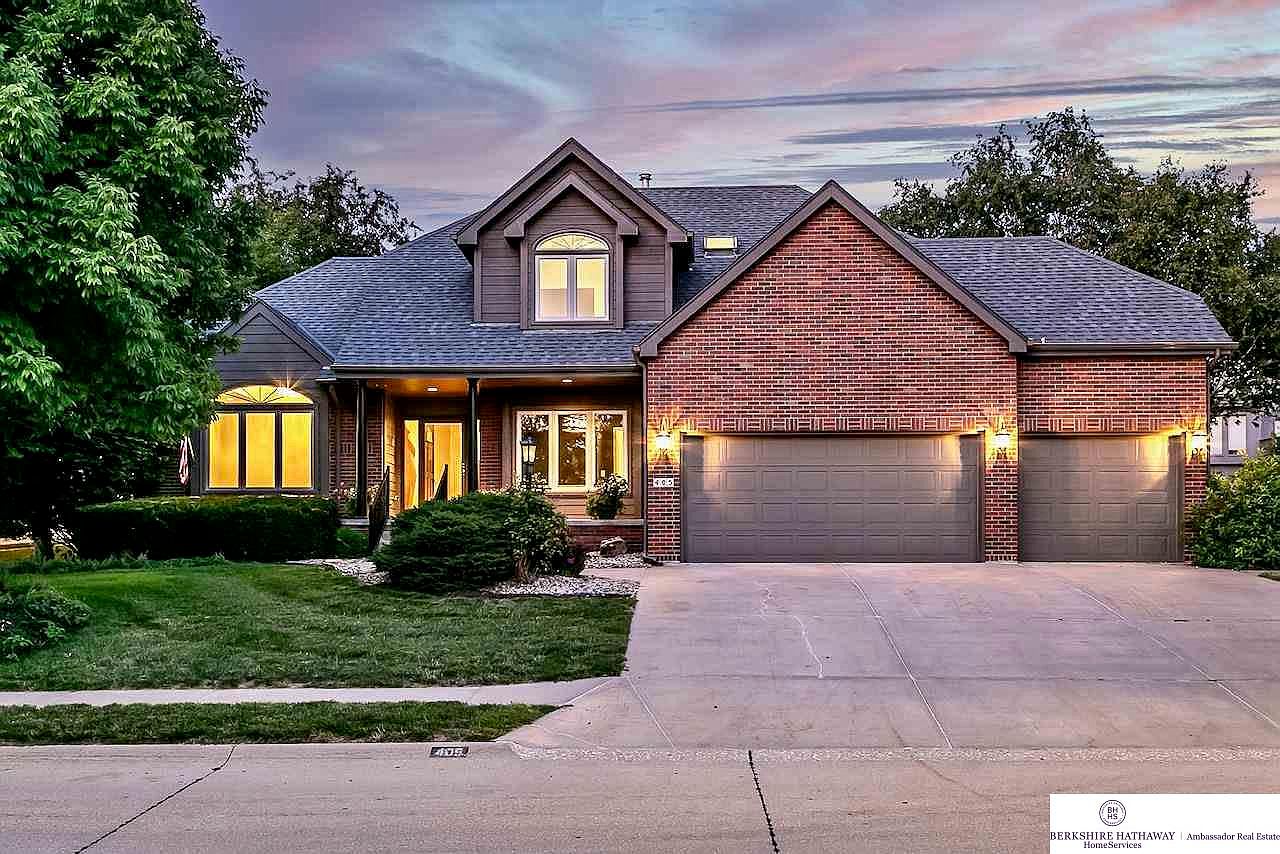
The Agency updated the home and staged it to sell for top dollar.
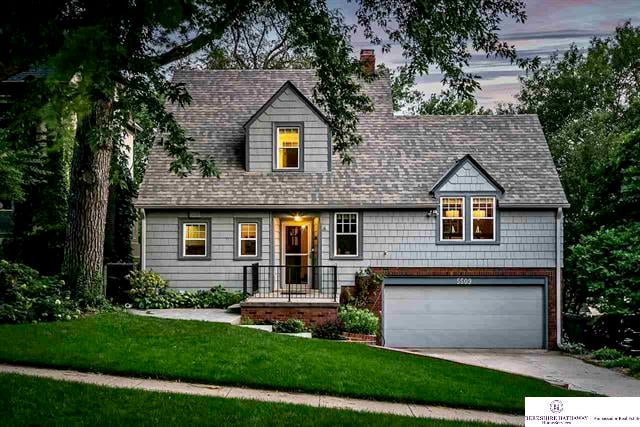
With the help of the Agency Group, the sellers accepted an offer for $90k more than they purchased it for two years prior.
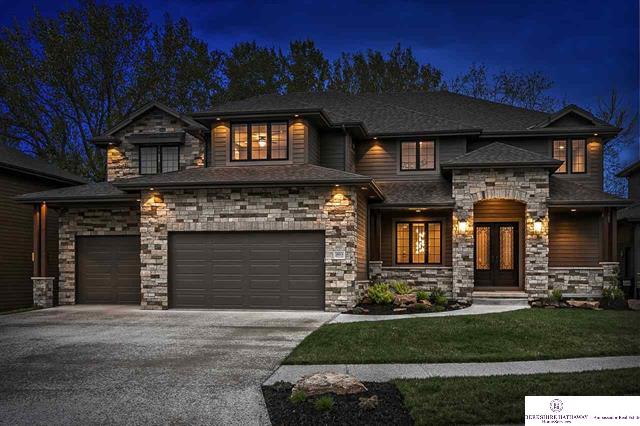
By adding staging and new lighting, the home was sold with multiple offers at 6K+ asking.
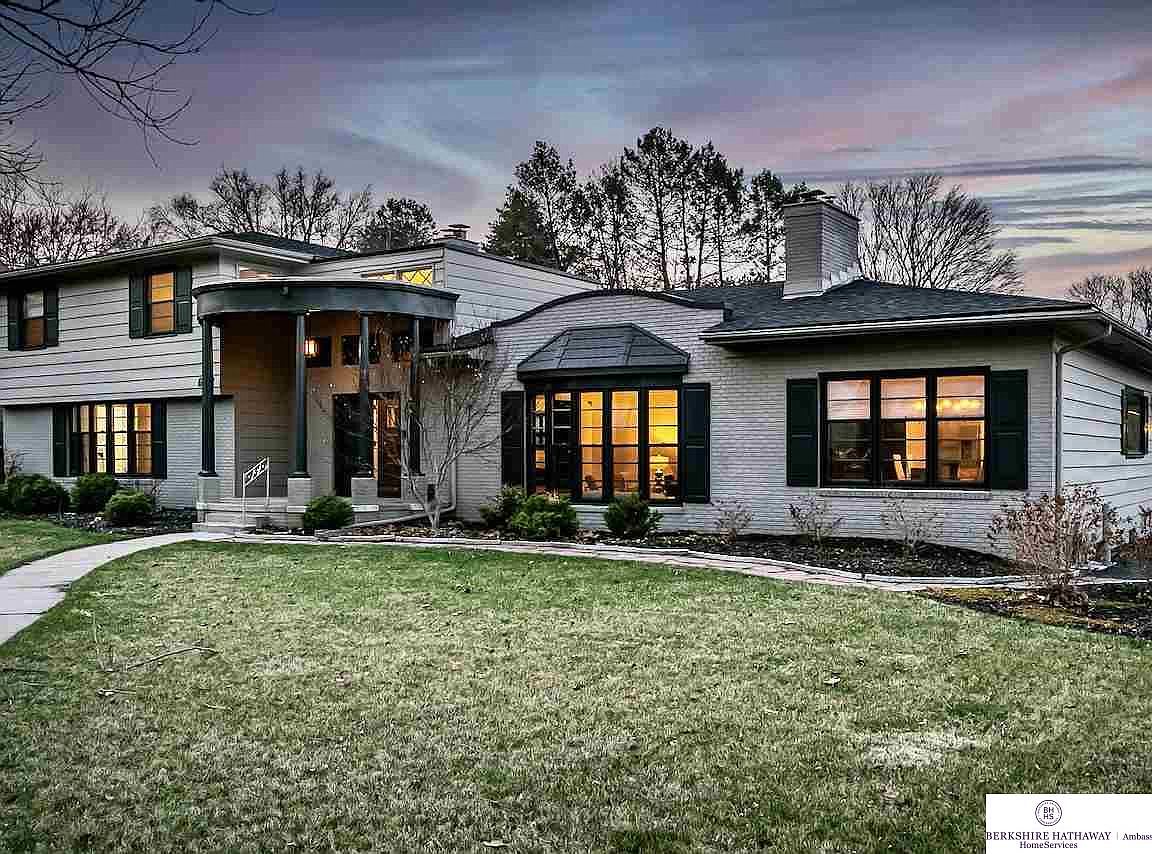
Previously listed with two other agents over a two year period without selling.
Previously listed by another top agent. For being in Elkhorn, at 10 years old.
We specialize in transforming homes with high end staging & photography. List with us today!