Condo vs. Townhome In Blackstone: Key Differences
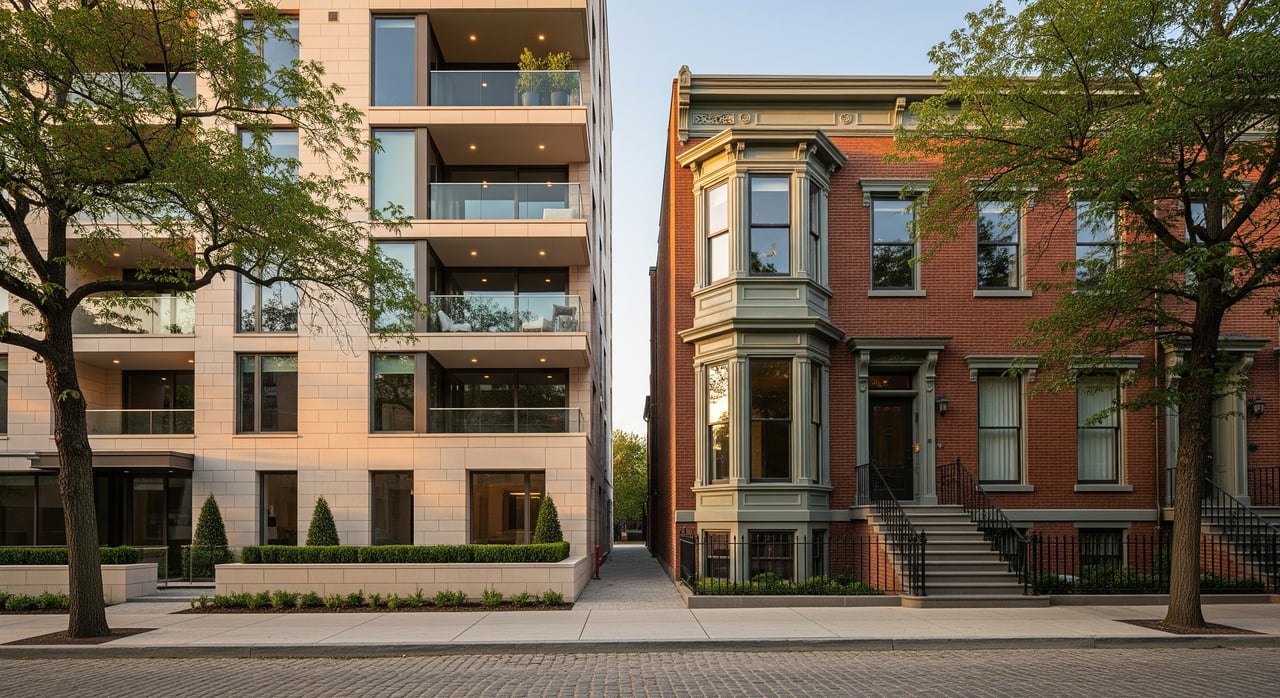
Trying to choose between a condo and a townhome in Blackstone? You are not alone. With historic buildings, urban energy, and a compact footprint, the differences matter more here than in a typical suburban neighborhood. In this guide, you will learn how ownership, maintenance, association rules, financing, and day‑to‑day lifestyle stack up so you can pick the right fit for how you want to live. Let’s dive in.
Blackstone sits in midtown Omaha with a dense mix of restaurants, bars, coffee shops, and local retail. If you want a walkable, urban lifestyle and a short commute to central Omaha, it is a strong match. Because lots are small and many buildings are historic, attached housing and condos dominate the core.
You will find more condominiums than townhomes in Blackstone. Many condos are in converted historic buildings or newer infill projects, with floor plans from studios and one‑bedrooms to loft‑style units. Townhomes exist but are fewer, often attached and sometimes offering private entrances, small yards, or garages.
When you buy a condo, you own the interior of your unit and an undivided interest in the common elements. Common elements typically include the building exterior, roof, hallways, land, and shared systems. A condo association manages those common elements, collects dues, and enforces the declaration and bylaws.
Practically, the association usually handles exterior maintenance and insures the building’s structure and common areas. You would carry an HO‑6 policy for your interior finishes and personal property.
With a townhome, you often hold fee simple title to the unit and the land under it, including any small yard areas. An HOA may still exist, but it is governed by CC&Rs and can be lighter touch than a condo association. In some communities, the owner is responsible for the roof and exterior; in others, the HOA takes that on. The only way to know is to read the documents.
Townhomes can be attached or sometimes detached. The legal setup varies, so the term “townhome” on a listing does not guarantee single‑family‑style responsibilities.
In Blackstone’s mixed inventory, some homes marketed as “townhomes” are legally condominiums. The legal regime determines how lenders underwrite, what the association covers, and your long‑term costs. Always review the recorded condominium declaration or the CC&Rs before you write an offer.
Associations can set rules for rentals, pets, exterior changes, parking, trash, and noise. In urban neighborhoods like Blackstone, rules can be more specific to preserve character and manage shared spaces. During due diligence, request the full rules and recent meeting minutes so you understand enforcement and any upcoming changes.
Condo dues are often higher than townhome dues because condos cover more services and building systems. Townhome dues can be lower, but unexpected exterior repairs can fall on the owner if not covered by the HOA. Healthy reserve funds help minimize special assessments, so review the association’s budget, reserve study if available, and financial statements.
Snow removal, alley maintenance, and on‑street parking matter in this location. Ask how winter services are handled and confirm assigned parking and guest options. Because many buildings are older, check for recent or upcoming capital projects, and verify whether reserves look adequate for near‑term needs.
Lenders evaluate condos at both the unit and project level. Some require condo project documentation or agency approvals, which can affect loan options and down payments. Fee simple townhomes that are not part of a condominium regime are often underwritten like single‑family homes and may have broader options. If you plan to use FHA or VA, verify a condo project’s approval status early.
Both condos and townhomes are taxed by Douglas County based on parcel specifics and market comparables. Special assessments can come through municipal projects or through HOA special assessments. Review recent tax bills and ask about any planned city or association projects that could affect costs.
Condos in urban cores tend to attract first‑time buyers, downsizers, and some investors. They can be more sensitive to interest rate changes and project governance. Townhomes with private entries, garages, or small yards appeal to buyers who want a single‑family feel with some shared services. In Blackstone, historic character and proximity to amenities can support value, but long‑term performance depends on building condition, association health, and parking.
Use this list during tours and before you submit an offer:
If your priority is low maintenance, predictable exterior care, and a central location, a condo will likely feel seamless. If you want a private entry, garage, and a bit more control, a townhome might align better with your lifestyle. In both cases, the association’s strength, documents, and reserves are as important as the floor plan.
Buying in a compact, historic district requires clear-eyed due diligence and local context. Our team helps you collect and review HOA packets, read the fine print, and model the total cost of ownership so you can move forward with confidence. If you decide to sell later, our in‑house staging and media program positions your home to stand out in the urban market.
Ready to compare specific buildings or townhome communities in Blackstone and nearby streets? Connect with The Agency Real Estate Group for tailored guidance on your next move in Omaha’s core neighborhoods.
Stay up to date on the latest real estate trends.
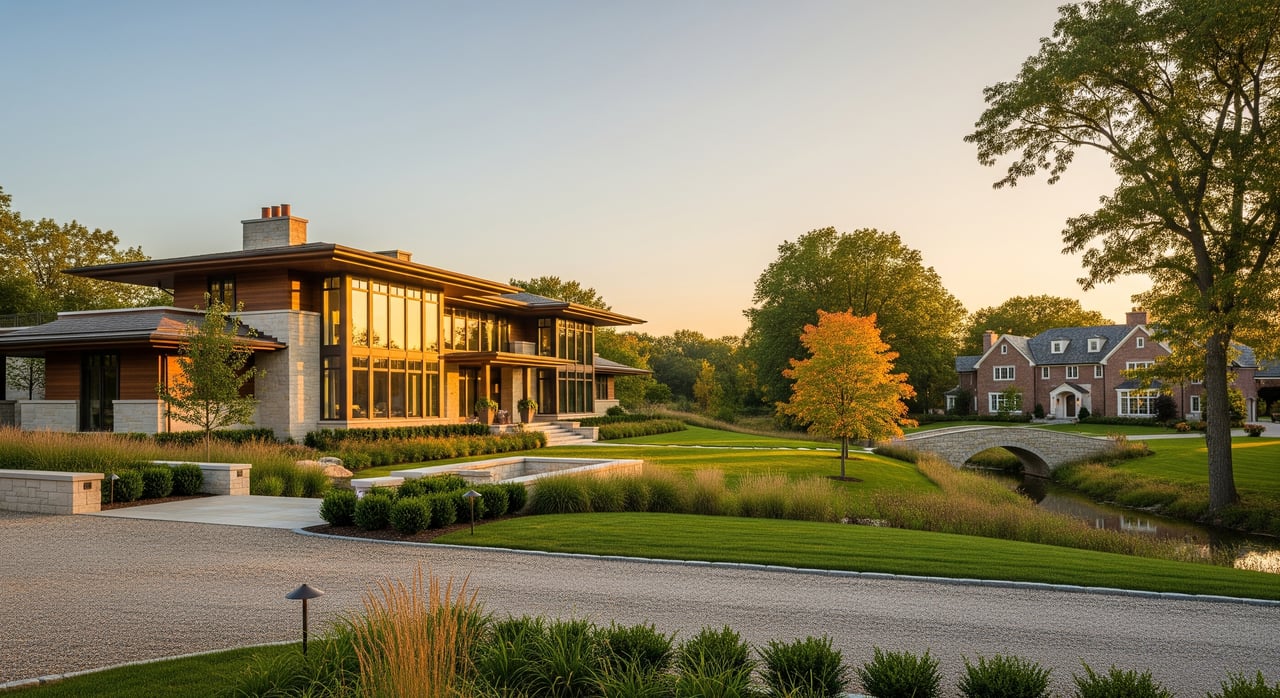
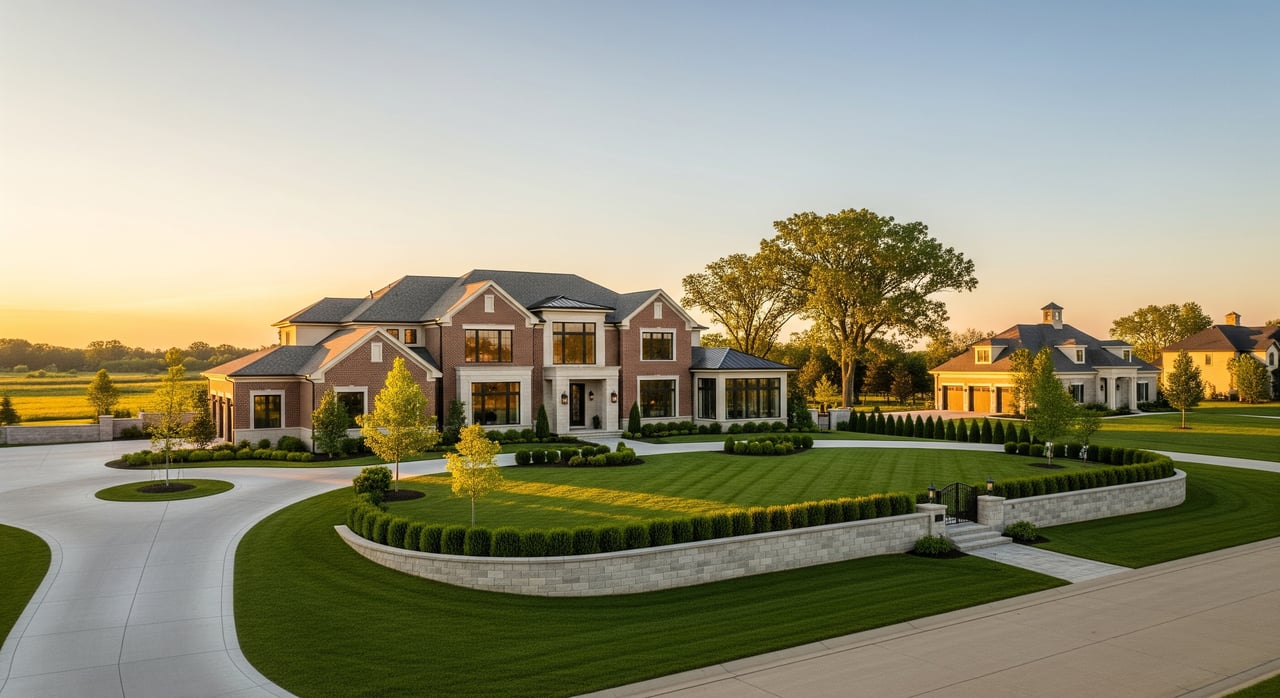

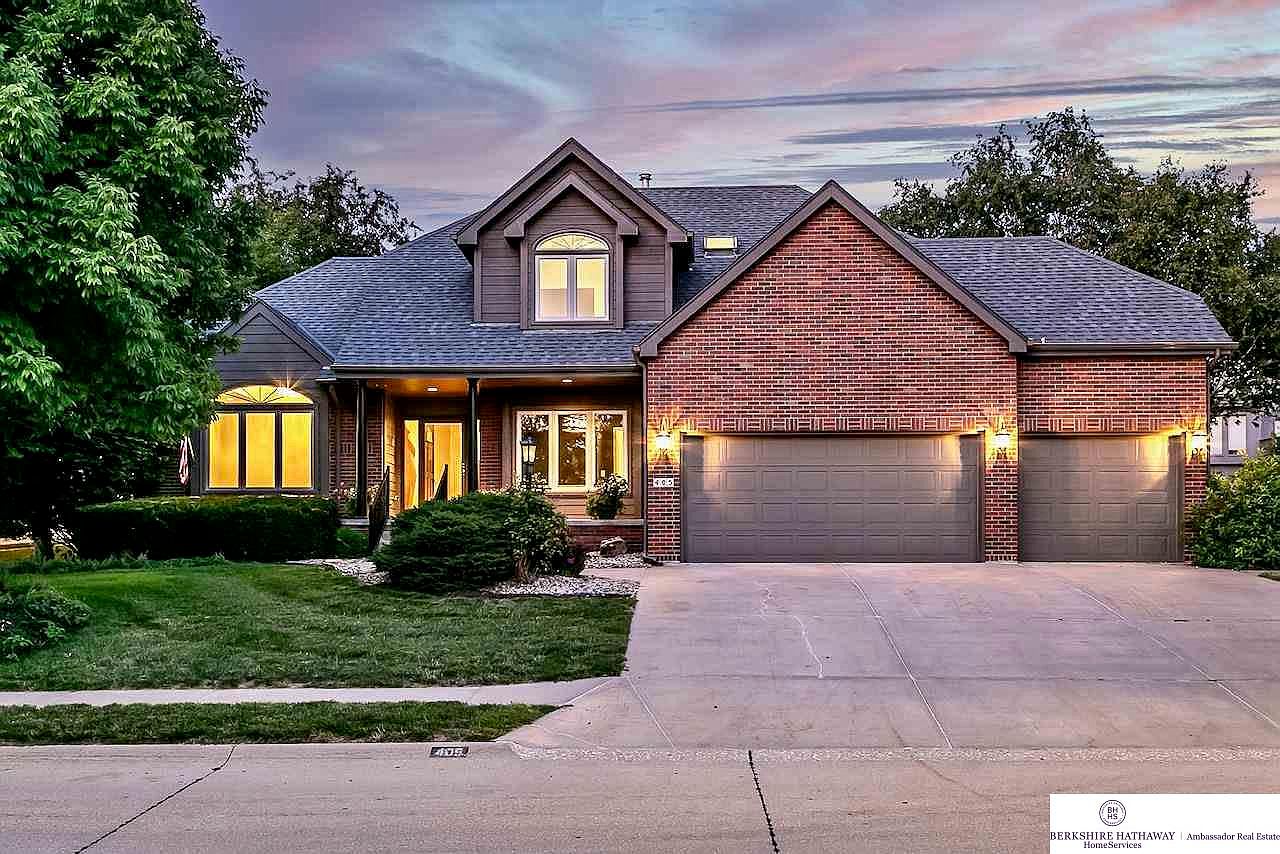
The Agency updated the home and staged it to sell for top dollar.
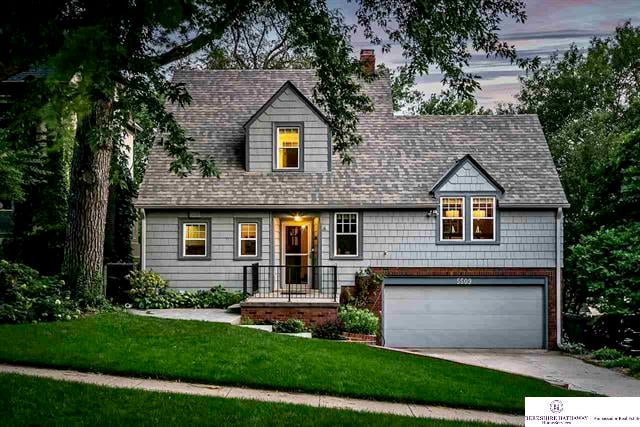
With the help of the Agency Group, the sellers accepted an offer for $90k more than they purchased it for two years prior.
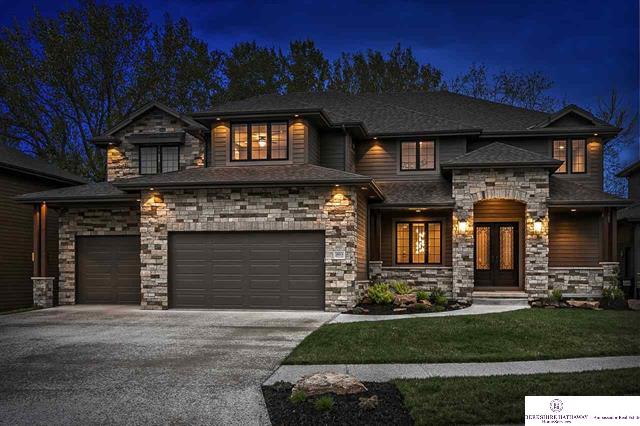
By adding staging and new lighting, the home was sold with multiple offers at 6K+ asking.
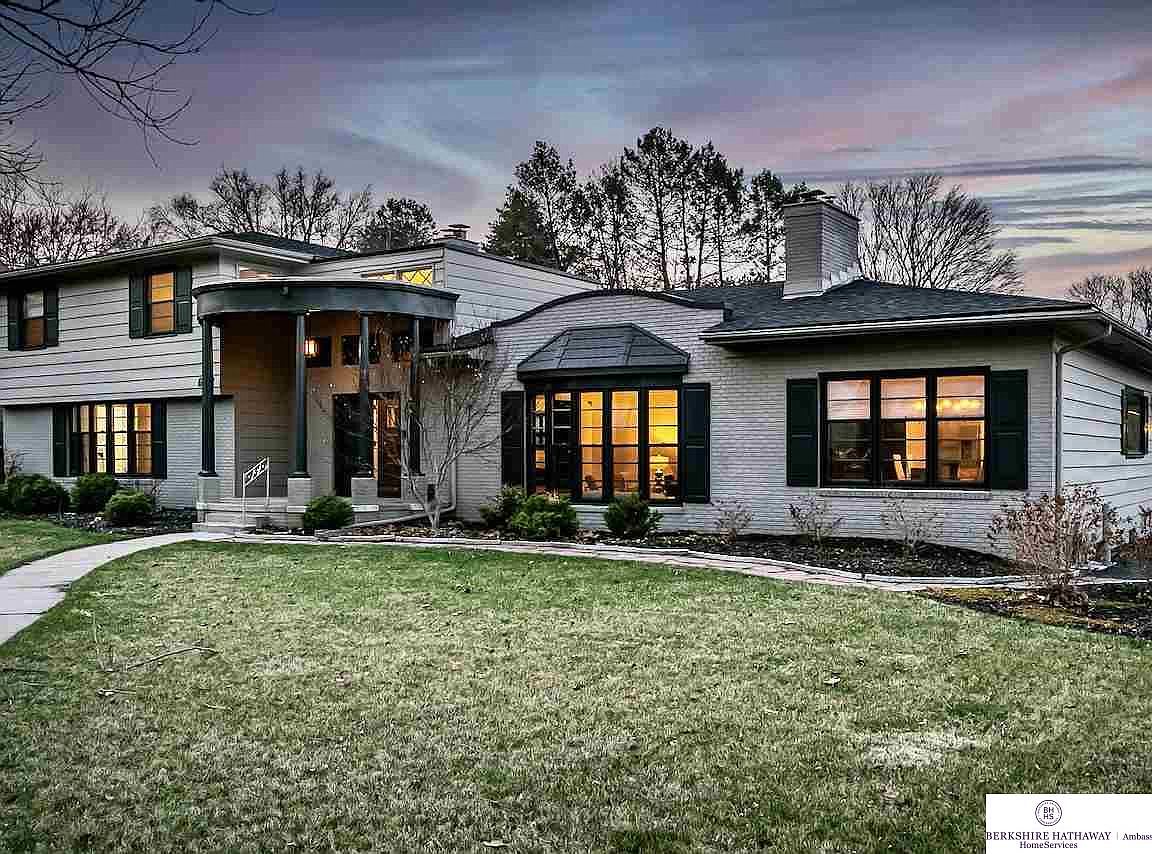
Previously listed with two other agents over a two year period without selling.
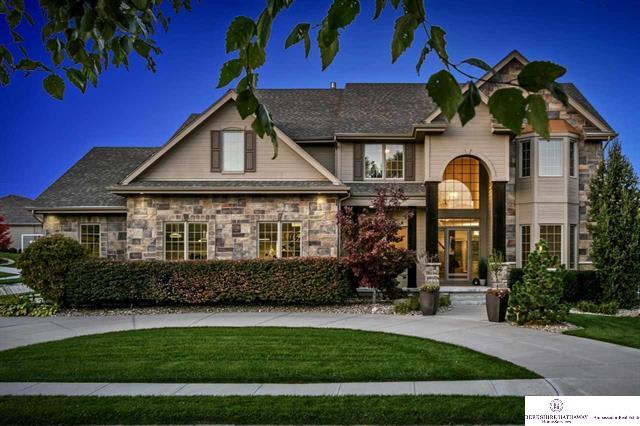
Previously listed by another top agent. For being in Elkhorn, at 10 years old.
We specialize in transforming homes with high end staging & photography. List with us today!